

February 10, 2026/
Winter commercial roof inspection helps detect leaks, drainage issues, and freeze-thaw damage before costly repairs escalate.

Managing commercial real estate in New York means balancing asset performance, tenant expectations, and long-term capital planning—often under constant pressure. Yet commercial roofing remains one of the most underestimated risk factors in CRE portfolios. Each year, a significant portion of roofing costs emerge as unplanned emergencies, disrupting budgets, damaging interiors, and placing strain on tenant relationships. For firms overseeing office, retail, or mixed-use assets, commercial roofing is not a maintenance issue—it is a portfolio risk issue.
A strategic approach to commercial roofing allows CRE firms to regain control. By shifting from reactive repairs to planned evaluations, lifecycle planning, and preventive maintenance, roofing becomes a managed asset instead of an unpredictable liability. In this article, we outline how commercial roofing impacts portfolio performance, why envelope-level thinking matters, and what real estate firms should consider when selecting a roofing partner in New York.
Commercial roofing should be evaluated with the same rigor as any other major building system. For commercial real estate firms, roof performance directly influences operating costs, tenant satisfaction, and long-term asset value. When roofing is treated as a short-term maintenance item, issues tend to surface reactively, often during peak weather events or tenant occupancy. This approach increases risk and erodes capital predictability.
A strategic roofing mindset shifts the conversation from repairs to performance. Instead of reacting to leaks or visible damage, CRE firms that prioritize roof evaluations and lifecycle planning gain clearer insight into system condition, remaining service life, and future capital needs. This level of visibility supports more accurate budgeting and reduces exposure to emergency spend. Over time, it also helps stabilize portfolio-wide operating costs.
Roof systems also play a critical role in protecting interior assets and tenant environments. Water intrusion does not only damage roofing materials—it impacts insulation, ceilings, electrical systems, and finishes. Even minor leaks can lead to tenant complaints, business disruption, and reputational risk. A proactive roofing strategy helps prevent these downstream consequences before they affect occupancy or lease decisions.
For asset managers and ownership groups, roofing decisions are fundamentally risk-management decisions. Deferred maintenance may reduce short-term expense, but it increases the likelihood of sudden failures that demand immediate capital. These unplanned events often come at a premium and limit flexibility in contractor selection and scope control. Over multiple properties, this pattern compounds risk across the portfolio.
Planned roofing strategies reduce that exposure. Through routine assessments and prioritized repairs, CRE firms can address vulnerabilities early and extend system life where appropriate. This approach allows capital to be deployed intentionally rather than reactively. It also supports more consistent reporting to investors, partners, and internal stakeholders.
Effective commercial roofing strategies align with long-term ownership goals. Buildings intended for extended hold periods benefit from maintenance programs and phased improvements that maximize system lifespan. Assets positioned for refinancing or sale require clear documentation, predictable condition reports, and reduced deferred maintenance risk. Roofing plays a central role in both scenarios.
By integrating roofing decisions into broader asset planning, CRE firms gain stronger control over outcomes. Roofing becomes part of a coordinated building strategy rather than an isolated trade expense. This alignment supports stronger asset performance, improved tenant stability, and more confident capital planning across New York portfolios.
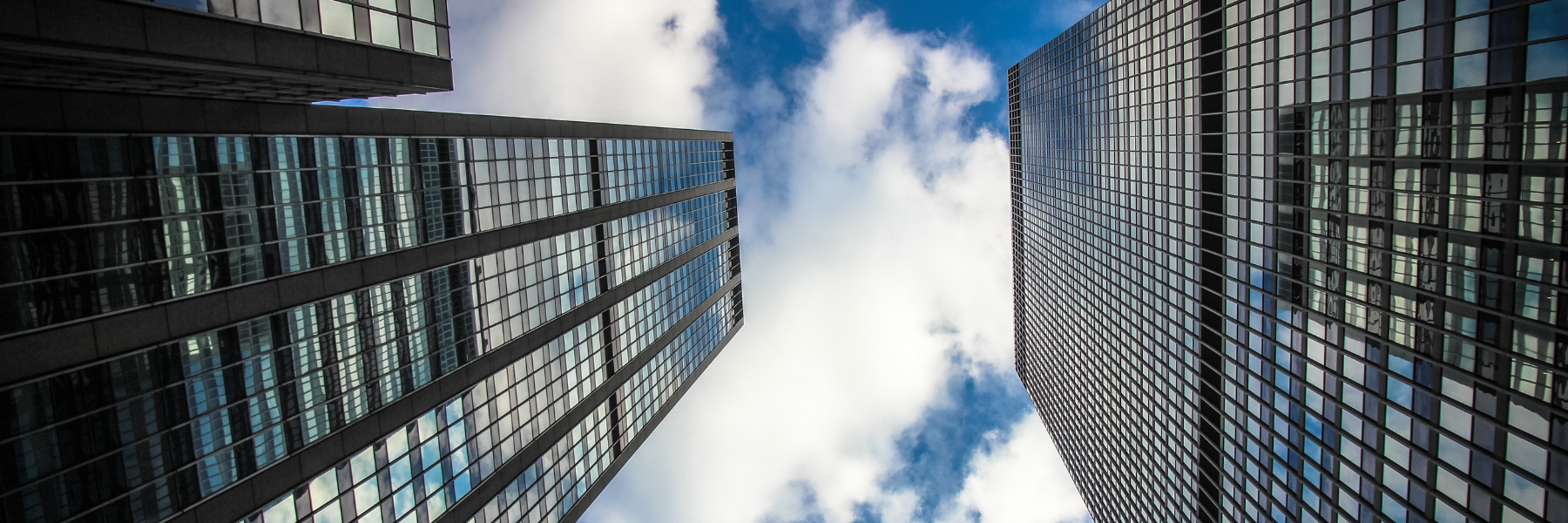
Commercial real estate portfolios in New York face a unique combination of environmental, structural, and operational pressures. Many buildings were constructed decades ago and now operate with aging roof systems that were not designed for modern mechanical loads or current performance expectations. Seasonal weather extremes accelerate wear and expose weak points across large roof areas. Without proactive oversight, these conditions increase the likelihood of unexpected failures.
Freeze–thaw cycles are one of the most persistent challenges in the region. Water that enters small cracks or seams can freeze, expand, and force materials apart over time. As temperatures fluctuate, this repeated movement stresses membranes, flashing, and sealants. What begins as minor deterioration can quickly escalate into leaks during winter storms or spring thaws.
Drainage issues also affect many New York commercial properties. Flat roof systems rely on properly designed slopes, clear drains, and functional scuppers to move water off the roof surface. When debris accumulates or drainage components fail, ponding water increases membrane stress and shortens system life. Extended standing water also raises the risk of interior damage if failures occur.
Older commercial buildings often carry layers of deferred maintenance that are not immediately visible. Temporary repairs, legacy roof systems, and undocumented modifications can complicate evaluations and increase risk. Over time, these conditions reduce predictability and make capital planning more difficult for owners and asset managers.
Deferred maintenance may reduce short-term expense, but it increases long-term exposure. Small issues left unaddressed tend to worsen under New York’s weather conditions. When failures finally occur, they often require emergency response and premium pricing. This pattern disrupts budgets and limits flexibility in decision-making.
Modern commercial buildings rely heavily on rooftop mechanical systems. HVAC units, exhaust systems, and service penetrations all introduce openings in the roof assembly. These areas require precise flashing, waterproofing, and ongoing maintenance to remain watertight.
Without proper detailing, roof penetrations become common sources of leaks. Vibration, thermal movement, and foot traffic around equipment accelerate wear at these points. Regular inspections and coordinated roofing strategies help identify vulnerabilities early and reduce the likelihood of interior damage.

Roofing systems do not function independently from the rest of a building. In commercial properties, roofs intersect directly with parapet walls, exterior façades, sealants, and waterproofing assemblies. When these systems are evaluated or repaired in isolation, the root cause of leaks and deterioration is often missed. A building-envelope perspective allows CRE firms to address problems at their source rather than repeatedly treating symptoms.
Water intrusion frequently occurs at transition points, not in open roof areas. Parapets, wall flashings, expansion joints, and material transitions are common failure locations in New York buildings. These areas experience constant movement from temperature changes and building settlement. Without coordinated detailing and maintenance, small gaps can quickly become persistent leak paths.
Isolated roof repairs may resolve visible damage, but they rarely address underlying envelope issues. Patching a membrane does little if water is entering through adjacent masonry or deteriorated sealants. Over time, this approach leads to repeated service calls, escalating costs, and frustration for ownership and facilities teams. CRE firms often experience this cycle when envelope coordination is missing.
A building-envelope strategy breaks that cycle. By evaluating roofing alongside walls, penetrations, and waterproofing components, vulnerabilities can be identified early. Repairs can then be prioritized based on risk rather than urgency. This approach reduces repeat failures and improves long-term performance.
For CRE owners and asset managers, envelope coordination supports stronger asset outcomes. Buildings with integrated envelope strategies experience fewer interior disruptions and more predictable maintenance schedules. Documentation also improves, which supports refinancing, insurance discussions, and investor reporting. These benefits compound across multi-property portfolios.
Treating roofing as part of the broader building envelope aligns maintenance decisions with ownership goals. Whether an asset is held long term or prepared for repositioning, envelope integrity plays a critical role in value preservation. Coordinated strategies provide clarity, reduce uncertainty, and support confident decision-making.
Commercial real estate firms require roofing services that support planning, risk reduction, and long-term asset performance. The most effective programs prioritize evaluation, documentation, and proactive maintenance over one-off repairs. When services align with ownership goals, roofing becomes predictable and manageable rather than disruptive. This approach is especially critical across multi-property portfolios.
Accurate roof evaluations provide the foundation for informed decision-making. These assessments identify system condition, remaining service life, and areas of elevated risk. For CRE firms, this information supports capital forecasting and reduces uncertainty. Clear documentation also improves communication between ownership, asset management, and facilities teams.
Not every roof issue requires immediate replacement. Targeted repairs allow firms to address vulnerabilities while extending system life where appropriate. When repairs are prioritized based on risk and performance, capital can be allocated more efficiently. This strategy helps avoid premature replacements and emergency expenditures.
Preventive maintenance is one of the most effective ways to control long-term roofing costs. Routine inspections, minor repairs, and drainage maintenance reduce the likelihood of sudden failures. Over time, maintenance programs extend roof lifespan and improve budget stability. For CRE portfolios, consistency across properties is key.
Even with proactive planning, emergencies can occur. CRE firms need rapid response capabilities to protect occupied spaces and minimize disruption. Clear response protocols help limit interior damage and tenant impact. Reliable emergency service provides reassurance during severe weather or unexpected system failures.
Comprehensive documentation supports asset management beyond day-to-day operations. Condition reports, repair histories, and maintenance records assist with refinancing, insurance discussions, and investor reporting. Well-organized documentation also simplifies long-term planning. For CRE firms, transparency is a strategic advantage.
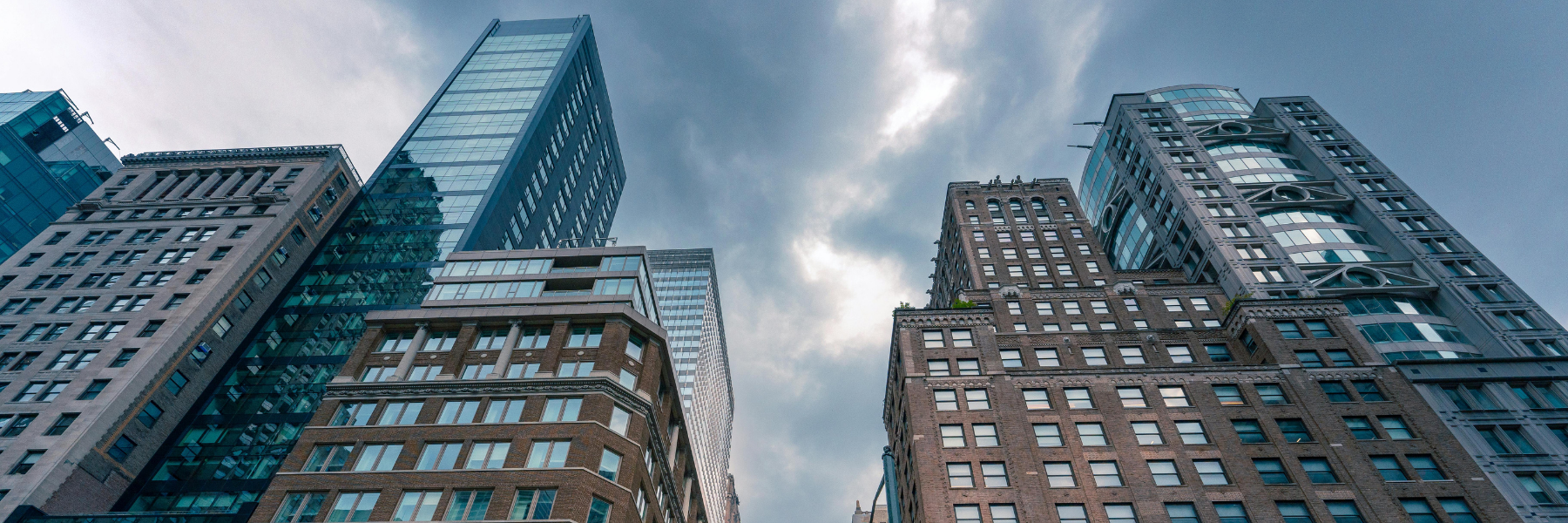
Managing roofing at the portfolio level allows commercial real estate firms to move from reactive decisions to structured planning. When roof conditions are evaluated consistently across properties, patterns and risks become easier to identify. This visibility supports more accurate budgeting and long-term forecasting. Over time, it reduces surprise capital events that disrupt financial models.
Cost predictability is one of the most immediate benefits. Planned inspections, prioritized repairs, and maintenance programs smooth out expenses across fiscal years. Instead of responding to emergencies at premium rates, CRE firms can schedule work strategically. This approach improves capital efficiency and protects operating margins.
Risk reduction extends beyond the roof itself. Water intrusion can impact interiors, tenant spaces, and building systems, creating downstream costs and reputational exposure. Proactive roofing strategies reduce the likelihood of tenant complaints, business disruption, and insurance claims. For occupied assets, this stability directly supports tenant retention.
Documentation also improves at the portfolio level. Standardized reports, condition assessments, and maintenance histories provide clarity for internal teams and external stakeholders. These records support refinancing, insurance reviews, and investor communication. For asset managers, clear documentation strengthens decision-making and accountability.
Selecting a roofing partner is a strategic decision for commercial real estate firms, not a transactional one. Roofing work directly affects asset condition, tenant environments, and capital planning outcomes. A qualified partner should understand how roofing decisions align with ownership timelines, portfolio strategy, and operational risk. Without that context, even technically sound work can create long-term issues.
Experience with commercial and institutional buildings is critical. CRE properties involve large roof areas, complex detailing, and coordination with active tenants or operations. Firms should look for partners who can evaluate systems holistically and communicate findings clearly to both facilities teams and asset managers. The ability to translate technical conditions into actionable planning is essential.
Documentation and reporting capabilities matter just as much as workmanship. Clear assessments, repair recommendations, and maintenance records support budgeting, investor communication, and future decision-making. Consistent documentation also reduces dependency on institutional memory when teams or vendors change. For CRE firms, transparency is a risk-control tool.
Regional expertise is especially important in New York. Local climate conditions, building codes, and construction practices influence roof performance over time. A partner familiar with these factors can anticipate issues before they escalate. This knowledge helps CRE firms avoid generic solutions that fail under regional conditions.
Commercial roofing plays a critical role in protecting asset value, controlling risk, and supporting long-term capital planning for commercial real estate firms. When roofing is managed proactively and evaluated as part of the broader building envelope, CRE owners and asset managers gain greater cost predictability and fewer operational disruptions. Portfolio-wide visibility, consistent documentation, and preventive planning turn roofing from a reactive expense into a strategic asset.
For CRE firms operating in New York, the next step is clarity. Understanding current roof conditions, identifying risk areas, and planning maintenance or capital improvements in advance creates stronger outcomes across the portfolio. A structured evaluation provides the insight needed to make informed decisions with confidence.
A proactive roofing strategy helps commercial real estate firms avoid emergency costs, protect tenant spaces, and plan capital with greater confidence. Our team supports CRE portfolios across New York with evaluations, documentation, and long-term planning aligned to ownership goals.
Winter commercial roof inspection helps detect leaks, drainage issues, and freeze-thaw damage before costly repairs escalate.
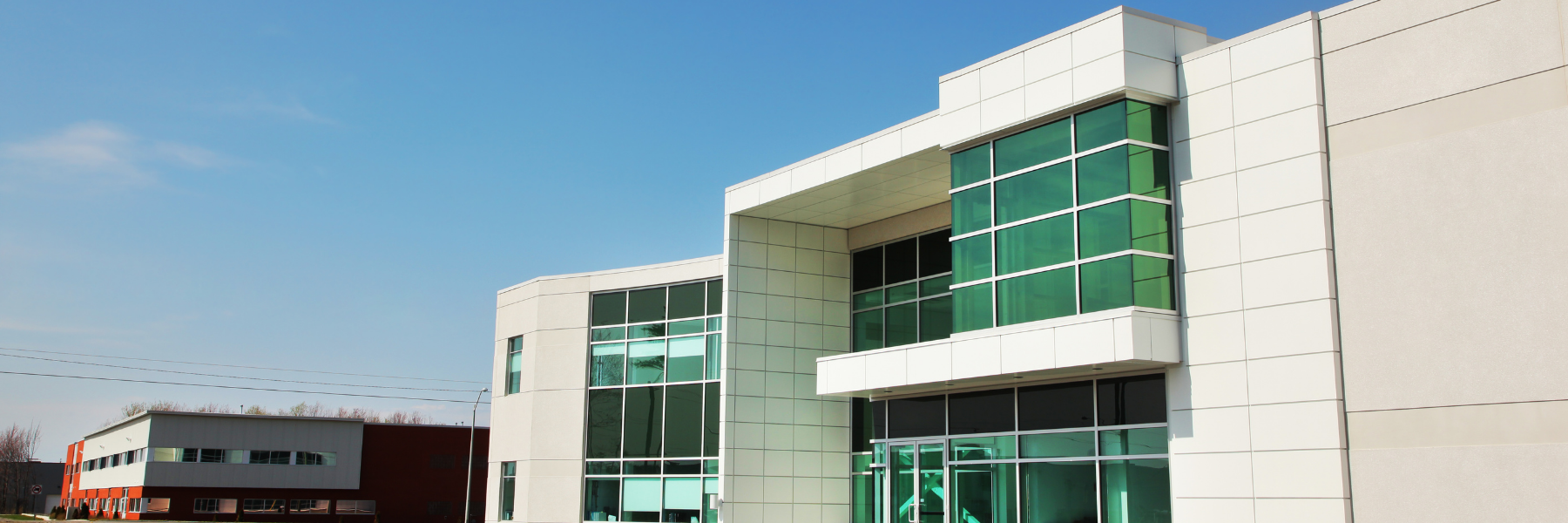
Learn the early warning signs of commercial roof failure and how proactive inspection can save money, reduce risk, and extend...
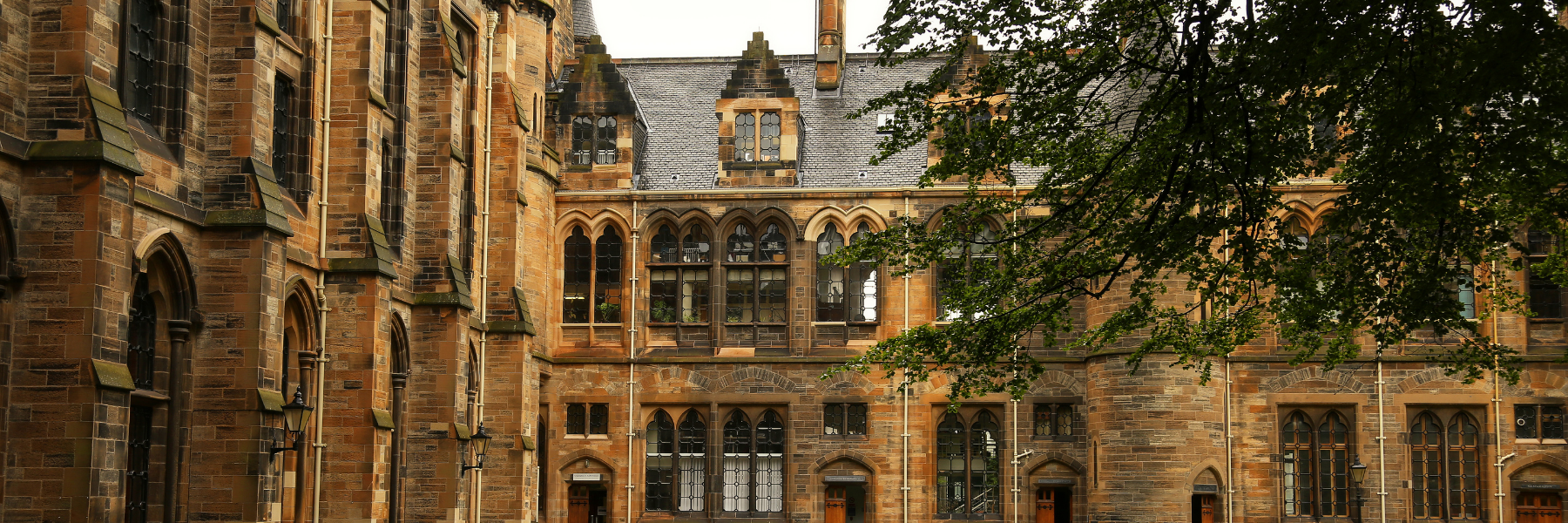
Roof, façade & masonry repairs for private schools in New York. Prevent water damage and protect occupied campuses year-round.
Hayden Building Maintenance Corp. is a trusted commercial roofing and waterproofing contractor serving NY, NJ, and CT, since 1973. We specialize in long-term roofing solutions for commercial properties, industrial facilities, and private institutions.
© Hayden Building Maintenance Corp. All rights reserved.