
February 10, 2026/
No Comments
Winter commercial roof inspection helps detect leaks, drainage issues, and freeze-thaw damage before costly repairs escalate.
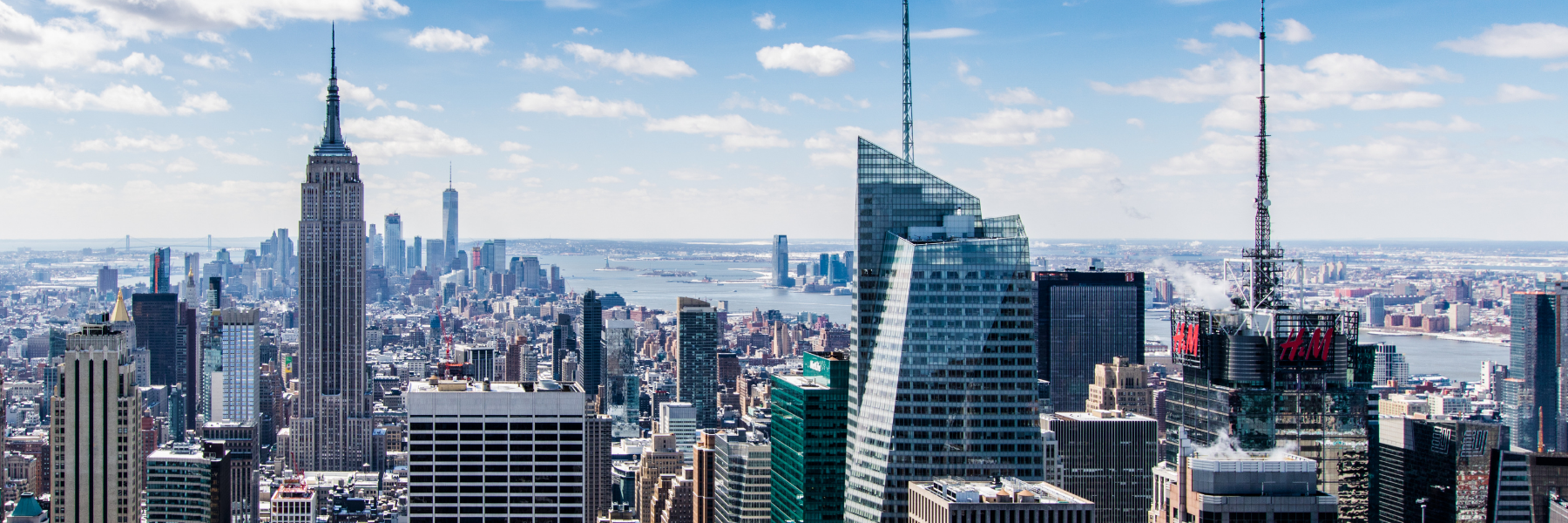
When a commercial roof begins to fail — whether it’s a leak after a heavy New York rainstorm, wind damage following a nor’easter, or gradual deterioration from years of freeze-thaw cycles — the first question property owners and facilities managers across New York ask is the same: does this roof need a repair, or is it time for a full replacement?
It’s one of the most financially significant building decisions you’ll make. Choose the wrong path and you may find yourself pouring money into repeated repairs on a system that’s already compromised — or approving a costly roof replacement before it’s truly necessary. In a market like New York, where building age, weather exposure, and energy code requirements all play a role, getting this decision right requires more than guesswork.
This guide explains how commercial roofing professionals evaluate roofs in New York, what conditions point toward repair versus replacement, and how to make a sound, risk-aware decision — whether your property is in Manhattan, Brooklyn, Long Island, Westchester, or elsewhere across the state.
When evaluating a commercial roof in New York, the right solution isn’t always obvious. Repair, recovery, and full replacement each serve a purpose—but they apply under very different conditions. Understanding how these options differ, and when each is appropriate, is the foundation for making a financially sound roofing decision and avoiding unnecessary risk.
The sections below explain how commercial roofing professionals distinguish between these options and why the correct choice depends on roof condition, not just cost or age.
A commercial roof repair is a localized corrective action designed to restore watertight performance without replacing the entire roof system. Repairs address specific failure points, not the overall age or condition of the roof.
Common commercial roof repair scenarios include:
Flashing failures at walls, curbs, or penetrations
Open seams or membrane splits in isolated areas
Drain or scupper issues causing temporary ponding
Minor storm-related damage confined to a limited section of the roof
From a professional standpoint, repairs are most effective when the underlying roof assembly is still performing as intended. That means insulation is dry, failures are isolated, and the roof has meaningful remaining service life.
In New York, where freeze–thaw cycles, wind-driven rain, and rooftop equipment frequently contribute to localized damage, repairs are often used to stabilize a roof system while owners plan longer-term capital improvements.
A roof recover—sometimes referred to as an overlay—involves installing a new roof system over an existing one, rather than removing the original roof down to the deck.
This option is often considered because it can:
Reduce tear-off and disposal costs
Shorten project timelines
Minimize disruption to building occupants
However, recovery is not always permitted and is highly dependent on the condition of the existing roof system. Building codes and industry standards generally prohibit recovery when:
The existing roof or insulation is water-soaked
The roof already has multiple layers installed
The substrate cannot properly support a new system
From a performance standpoint, recovering over compromised materials can trap moisture, accelerate deterioration, and significantly shorten the life of the new roof—particularly in New York’s climate.
For this reason, roof recovery should only be considered after a professional evaluation, including moisture diagnostics, confirms the existing assembly is suitable.
A commercial roof replacement is the most comprehensive roofing solution. It typically involves removing the existing roof system—partially or entirely—repairing the substrate as needed, and installing a new roof assembly designed to meet current performance and code requirements.
Replacement is commonly recommended when:
Roof failures are widespread or recurring
Wet insulation is present
The roof is near or beyond its expected service life
Code or energy requirements cannot be met through repair or recovery
In New York, roof replacement decisions often intersect with energy code compliance, drainage corrections, and long-term asset planning. While replacement represents a higher upfront investment, it also provides the opportunity to reset performance, improve insulation values, and reduce long-term maintenance risk.
When commercial roof decisions go wrong, it’s rarely because of what’s visible on the surface. The most consequential factor in determining whether a roof can be repaired or must be replaced is often hidden beneath the membrane: wet insulation.
In New York’s climate—where heavy rain, snow loads, and freeze–thaw cycles are common—moisture intrusion can spread far beyond the original point of entry. Even when leaks appear isolated, trapped moisture within the roof assembly can compromise performance, shorten service life, and dramatically increase the risk of future failure.
Roof insulation is designed to remain dry. Once moisture enters the assembly, insulation loses its thermal value and can no longer perform as intended. More importantly, wet insulation allows damage to continue spreading beneath the roof surface—even after surface repairs appear successful.
From a professional standpoint, wet insulation shifts the decision away from short-term fixes and toward long-term risk management. Industry standards and building codes generally discourage installing new roofing systems over moisture-compromised materials, as trapped moisture accelerates deterioration and reduces the lifespan of any new roof installed above it.
In practical terms, a roof with confirmed wet insulation is rarely a good candidate for repeated repairs or recovery.
Moisture intrusion does not always result from a single catastrophic failure. In many New York commercial buildings, it develops gradually through a combination of factors, including:
Aging or failed flashing at penetrations and parapet walls
Open seams or membrane splits caused by thermal movement
Poor drainage or chronic ponding water
Wind-driven rain events common to coastal and urban environments
Because water can travel laterally within the roof assembly, interior leaks often appear far from the original entry point—making visual diagnosis alone unreliable.
Determining whether insulation is wet requires more than a surface inspection. Commercial roofing professionals rely on diagnostic tools to verify roof conditions before recommending repair, recovery, or replacement.
Common evaluation methods include:
Infrared thermography to identify temperature differentials
Electronic moisture detection for broad screening
Core sampling to visually confirm insulation and substrate conditions
These diagnostics provide the data needed to make defensible recommendations and avoid spending capital on solutions that will not perform long-term.
Surface leaks can often be repaired—but wet insulation cannot be “patched.” Once moisture is confirmed within the roof assembly, replacement planning typically becomes the most responsible path forward.
When insulation is compromised, continuing to repair the roof surface may temporarily stop visible leaks but does not address the underlying issue. Over time, this approach often leads to:
Escalating repair frequency
Unexpected interior damage
Reduced energy efficiency
Shortened lifespan of future roof systems
For this reason, commercial roof replacement is frequently recommended once wet insulation is identified—particularly when moisture is widespread or recurring.
Not every commercial roof issue requires replacement. In many cases, a well-executed repair can restore performance, control costs, and extend the roof’s service life—provided the underlying conditions support it.
For commercial properties across New York, roof repair is most effective when problems are isolated, clearly understood, and not symptomatic of broader system failure.
Commercial roof repair is appropriate when damage is confined to specific areas rather than spread across the roof system. Common repair-eligible scenarios include:
Flashing failures at penetrations, curbs, or parapet walls
Isolated membrane punctures or seam separations
Drain or scupper issues causing temporary ponding
Localized storm damage following wind or debris impact
In these situations, repairs address a known failure point without disturbing the rest of the roof assembly.
One of the most important prerequisites for successful roof repair is dry insulation. When moisture has not migrated into the roof assembly, repairs can reliably restore watertight performance and prevent further damage.
This is especially relevant in New York, where seasonal weather events often create visible leaks without immediately saturating insulation. Professional verification ensures repairs are being applied to a roof system that can still perform as designed.
Repairs make sense when the roof is not nearing the end of its expected service life. Even well-executed repairs become cost-ineffective if the roof is already experiencing age-related deterioration across large areas.
From a professional standpoint, repairs are typically recommended when:
The roof system is structurally sound
Issues are confined to specific areas with known, correctable causes
Maintenance history supports continued performance
In these cases, repair strategies can help owners stabilize the roof while planning future capital improvements on their own timeline.
The most successful commercial roof repairs resolve the underlying cause of failure, not just the visible symptom. This may involve correcting flashing details, improving drainage, or reinforcing high-stress areas around rooftop equipment.
When repairs are repeatedly performed without addressing root causes, costs escalate and confidence in the roof system declines—often accelerating the eventual need for replacement.
Between localized repair and full roof replacement sits a narrower—but often misunderstood—option: roof restoration or recovery. For some New York commercial buildings, this approach can extend roof life and control capital spending. For others, it introduces long-term risk if applied under the wrong conditions.
The key distinction is that restoration and recovery are conditional solutions. They are not default upgrades, and they are not suitable for every aging roof.
Roof restoration and recovery methods are intended to extend the service life of an existing roof system, not reset it entirely. These approaches rely on the assumption that the roof assembly beneath the surface is still performing as intended.
In practice, this means:
The roof membrane is aging but largely intact
Failures are not widespread across the field of the roof
Insulation and substrate remain dry and structurally sound
When those conditions are met, restoration or recovery can provide additional years of performance while deferring a full replacement.
One of the most common misconceptions among property owners is that restoration represents a safer or more conservative alternative to replacement. In reality, restoration is less forgiving than repair or replacement if the roof’s condition is misunderstood.
Because restoration builds on what already exists, any hidden deficiencies—particularly moisture within the roof assembly—remain in place. In New York’s climate, where trapped moisture is slow to dissipate and freeze–thaw cycles are common, this can accelerate deterioration rather than slow it.
As a result, restoration is only viable when the existing roof system has been professionally verified to be in stable condition.
Building codes and industry standards place clear limits on when recovery is appropriate. Installing new roofing materials over compromised systems—such as those with wet insulation or multiple existing layers—is generally discouraged and, in many cases, not permitted.
Beyond code considerations, performance expectations matter. A restored roof does not offer the same reset of service life, insulation value, or long-term risk reduction as a full replacement. Owners should view restoration as a life-extension strategy, not a permanent solution.
For the right building, restoration can be a strategic choice. This is often the case when:
The roof is approaching—but not at—the end of its service life
Moisture testing confirms a dry assembly
The owner plans to replace the roof within a defined future window
Budget planning favors phased capital investment
In these scenarios, restoration allows owners to stabilize roof performance while aligning replacement timing with broader asset or portfolio plans.
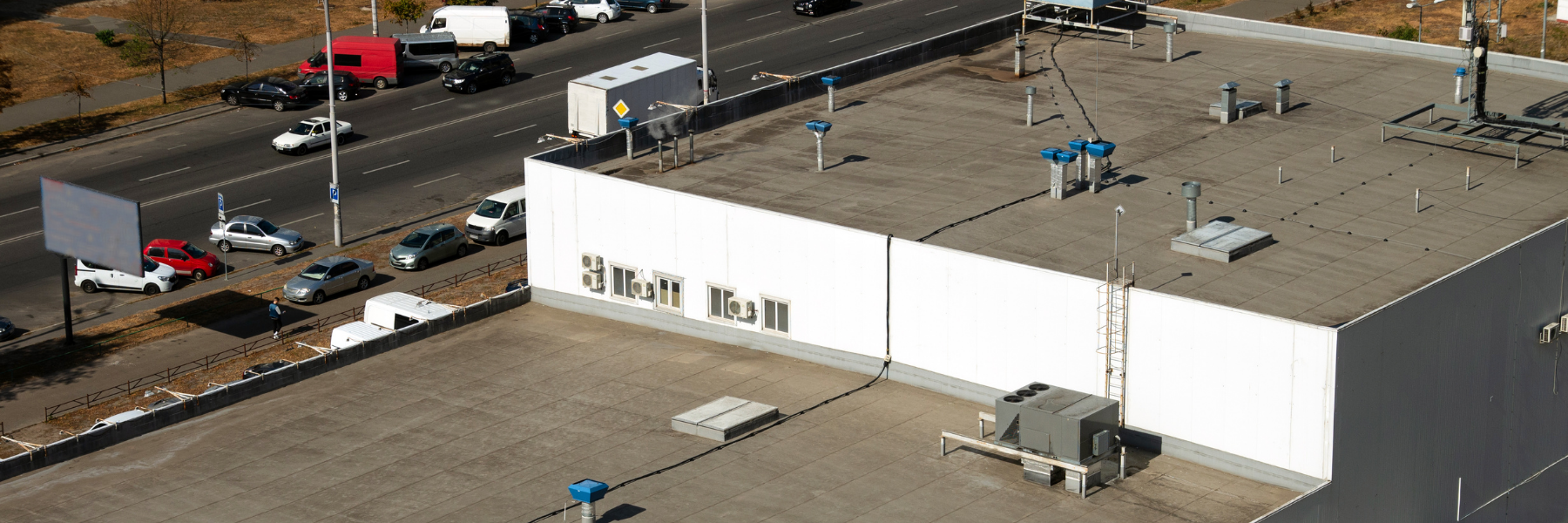
There is a point at which continued repairs or restoration no longer reduce risk—they simply delay a larger failure. For many commercial buildings in New York, roof replacement becomes the smarter decision not because a single issue appears, but because the overall performance of the roof system has declined beyond what partial solutions can reliably correct.
Replacement is not a default recommendation. It is typically the result of multiple converging factors that indicate the roof can no longer perform as intended over the long term.
One of the clearest indicators that replacement should be considered is the pattern of roof problems over time. When leaks or defects begin appearing in different areas of the roof—rather than repeating at the same isolated detail—it often signals system-level deterioration.
In these cases, even well-executed repairs may provide only temporary relief. As failures multiply, repair costs increase while predictability decreases, making long-term planning difficult for owners and property managers.
As discussed earlier, wet insulation is one of the most decisive factors in the repair-versus-replacement decision. Once moisture is present within the roof assembly, the roof’s thermal performance is compromised and deterioration can continue beneath the surface.
Because installing new roofing materials over moisture-compromised systems is generally discouraged—and often restricted—replacement is frequently recommended when wet insulation is confirmed, particularly when it affects multiple areas of the roof.
Every commercial roofing system has a practical service life influenced by material type, installation quality, maintenance, and environmental exposure. In New York, aging roofs are further stressed by seasonal temperature swings, snow loads, and wind-driven rain.
When a roof approaches the end of its expected service life, even minor issues can escalate quickly. At this stage, replacement often provides greater value than continued repairs by resetting performance expectations and reducing the likelihood of unexpected failures.
In some cases, replacement becomes necessary not because of visible damage, but because the existing roof system can no longer meet current performance or regulatory requirements. This may include limitations related to insulation levels, drainage design, or roof assembly configuration.
For New York commercial properties, roof replacement often presents the opportunity to address these constraints holistically—rather than attempting incremental fixes that leave underlying deficiencies in place.
While roof replacement typically carries a higher upfront cost, it can reduce long-term financial and operational risk. Owners frequently reach this conclusion when recurring repairs begin to impact interior spaces, tenant operations, or critical building systems.
In these scenarios, replacement is less about solving today’s leak and more about stabilizing the building for the next phase of ownership or operation.
Determining whether a commercial roof should be repaired, restored, or replaced requires more than a walk-through or a quick visual check. In New York, where building age, weather exposure, and rooftop complexity vary widely, professional evaluations follow a structured process designed to reduce uncertainty and uncover conditions that aren’t visible from the surface.
The steps below outline how qualified commercial roofing professionals assess roof performance and risk before making recommendations.
A proper evaluation begins with understanding how the roof has performed over time. This includes reviewing:
Approximate roof age and system type
History of leaks, repairs, or emergency calls
Whether issues recur in the same locations or appear in new areas
Previous restoration or overlay work
Patterns matter. Isolated, recurring issues often point to detail-level failures, while leaks appearing in multiple locations over time may indicate broader system deterioration.
Drainage performance plays a critical role in roof longevity. During an evaluation, professionals assess:
Ponding water locations and duration
Drain, scupper, and leader conditions
Evidence of structural deflection or slope loss
Debris accumulation around drainage points
In New York’s climate, poor drainage accelerates membrane wear and increases the likelihood of moisture intrusion—especially during freeze–thaw cycles.
Next, the roof surface and details are inspected closely. This step focuses on areas most prone to failure, including:
Seams and laps in the membrane
Flashings at walls, curbs, and penetrations
Terminations and edge conditions
Areas around rooftop equipment and walk paths
Details typically fail before the field of the roof. Identifying these weak points helps determine whether issues are localized or systemic.
After reviewing roof history, drainage performance, and visible conditions, professionals determine whether hidden moisture may be present within the roof assembly. At this stage, surface observations alone are no longer sufficient to support a repair, restoration, or replacement decision.
Moisture diagnostics are used to verify assumptions, not replace earlier findings. Their role is to confirm whether insulation and substrates beneath the membrane are performing as intended—or whether concealed conditions introduce additional risk.
Rather than treating diagnostics as a standalone test, professionals use results to answer practical questions:
Is moisture confined to a specific area or spread across the roof system?
Does the extent of moisture align with observed failure patterns?
Can affected areas be reliably isolated, or is deterioration ongoing beneath the surface?
This verification step prevents decisions from being made on incomplete information and ensures that recommendations are based on the actual condition of the roof assembly, not just visible symptoms.
The final step is translating technical findings into a practical recommendation. This includes weighing:
Remaining service life of the existing roof
Likelihood of continued failures
Operational risk to the building and occupants
Budget timing and capital planning
Applicable building and energy code considerations
Rather than defaulting to repair or replacement, professionals use this information to recommend the option that best balances performance, risk, and long-term value.
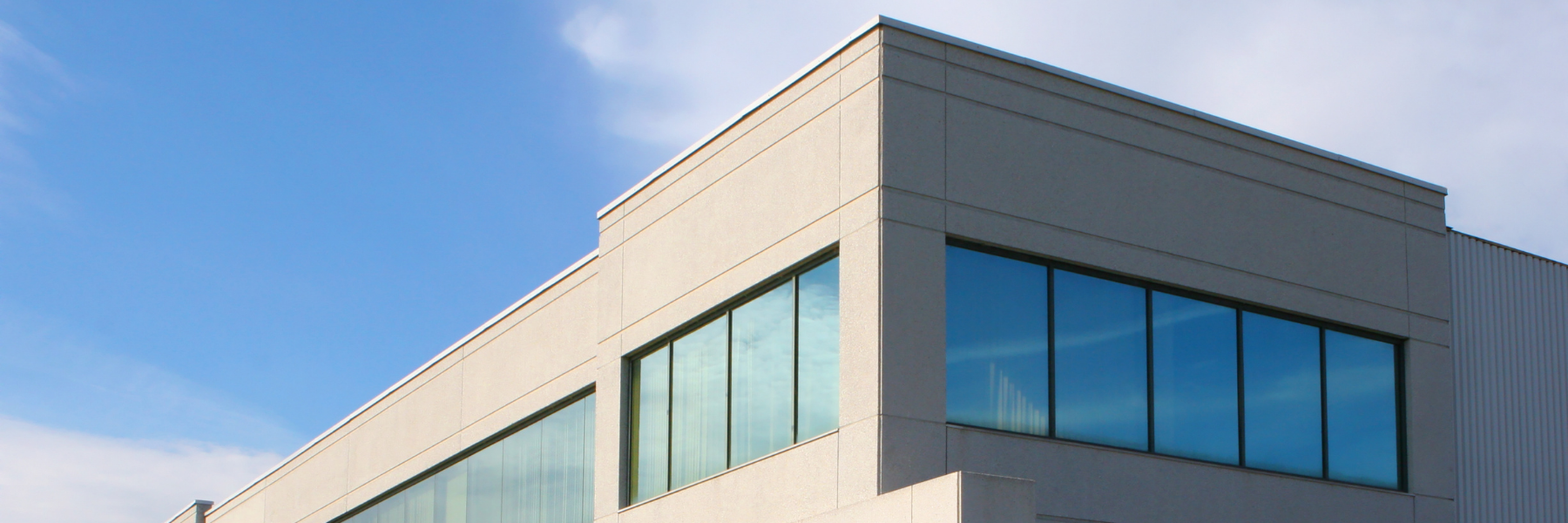
Roof age is often the first detail owners reference when discussing repairs or replacement—but on its own, age rarely tells the full story. In New York, commercial roofs experience wide variations in performance depending on system type, installation quality, maintenance history, and exposure to weather extremes.
Understanding expected service life helps owners determine whether current issues are reasonable candidates for repair or signals that the roof is approaching the end of its practical lifespan.
A twenty-year-old commercial roof is not automatically a failure, just as a ten-year-old roof is not immune to serious problems. Professional evaluations treat age as context, not a verdict.
Age becomes meaningful when paired with:
Frequency of leaks or repairs
Changes in performance over time
Visible membrane deterioration
Results from moisture verification
A roof that has performed consistently with minimal intervention may remain a viable candidate for repair, while a younger roof experiencing escalating failures may already be nearing replacement.
While no roof system has a guaranteed lifespan, industry guidance and manufacturer data provide planning ranges that help frame expectations:
EPDM (single-ply): Often exceeds twenty-five years when properly installed and maintained
TPO / PVC (thermoplastic): Commonly planned in the fifteen- to thirty-year range, depending on thickness and detailing
Modified bitumen: Typically planned between ten and thirty years, influenced by system configuration
Built-up roofing (BUR): Commonly planned between fifteen and twenty years
These ranges are not promises. They are benchmarks used to evaluate whether ongoing investment aligns with remaining service life.
These are typical planning ranges based on industry guidance and manufacturer data. Actual service life varies depending on installation quality, maintenance, drainage, and environmental exposure.
As a roof approaches the later stages of its expected lifespan, even small issues can indicate broader decline. Materials lose flexibility, details become more vulnerable to movement, and repairs that once held for years may begin failing more quickly.
At this stage, professionals consider:
Whether repairs are extending meaningful service life or simply delaying replacement
How much remaining performance can realistically be expected
Whether future failures could impact building operations or interior spaces
In many cases, roofs nearing the end of their service life can still be maintained temporarily—but decisions must be made with a clear understanding of diminishing returns.
For commercial properties in New York, aligning roof decisions with capital planning is often more effective than reacting to emergencies. Understanding service life allows owners to:
Schedule replacement before failures become disruptive
Coordinate roofing work with other building improvements
Avoid premium costs associated with emergency response
When roof age and performance data are used together, owners gain greater control over timing, cost, and risk.
In New York, commercial roof decisions are influenced not only by roof condition, but also by energy code requirements that can affect scope, cost, and timing—particularly when a roof replacement is involved.
While routine repairs typically do not trigger energy upgrades, roof replacement often does. Understanding this distinction early helps owners avoid surprises during budgeting and project planning.
Energy code considerations generally come into play when roof work qualifies as a replacement, rather than a repair. In these cases, the roof assembly may be required to meet current minimum insulation standards, even if the original roof was installed under older codes.
For many commercial buildings in New York, this means:
Repairs that do not disturb the roof assembly typically do not trigger energy upgrades
Full replacement—especially when insulation is removed or exposed—often does
This distinction is one reason replacement projects frequently involve broader scope and higher upfront cost than owners initially expect.
New York’s energy code establishes minimum insulation values for commercial roofs, particularly for low-slope roof systems with insulation above the deck. While exact requirements can vary by jurisdiction and building type, replacement projects commonly involve upgrading insulation levels to meet current standards.
From a planning standpoint, this has several implications:
Additional insulation thickness can affect flashing heights and roof details
Structural considerations may need to be reviewed
Material and labor costs increase beyond membrane replacement alone
For older New York buildings, these upgrades often represent an opportunity to improve energy performance and reduce long-term operating costs—but they must be accounted for early in the decision process.
In addition to statewide requirements, some municipalities in New York adopt local energy code amendments that exceed baseline standards. These can further influence insulation requirements and project scope.
Because enforcement and interpretation can vary by location, professional guidance is critical during planning—particularly for properties in dense urban areas or jurisdictions with enhanced energy performance goals.
Energy code considerations rarely determine whether a roof is failing, but they often influence how replacement projects are designed and priced. A roof that appears repairable today may become significantly more expensive to replace later if energy requirements are not anticipated.
By understanding these factors early, owners and managers can:
Make informed timing decisions
Align roof projects with capital planning cycles
Avoid unexpected scope expansion during construction
After evaluating roof condition, moisture risk, service life, and regulatory considerations, the final step is translating those findings into a clear course of action. For commercial property owners and managers in New York, the goal is not to choose the cheapest option—but the one that best balances performance, risk, and timing.
The framework below summarizes how professionals align roof conditions with the appropriate scope of work.
Commercial roof repair is typically effective when:
Issues are isolated and tied to specific details
Insulation and substrate are confirmed to be dry and sound
The roof has meaningful remaining service life
Repairs address the root cause, not just visible symptoms
In these cases, targeted repairs can restore performance and extend roof life without committing to a larger capital project.
Restoration or recovery may be considered when:
The roof system is aging but still structurally stable
Moisture testing confirms the assembly remains dry
Failures are not widespread
The owner plans to replace the roof within a defined future window
This approach can help manage budgets and timing, but it depends heavily on accurate evaluation and realistic expectations around remaining service life.
Roof replacement is often the most responsible option when:
Leaks or failures are recurring across multiple areas
Wet insulation is confirmed within the roof assembly
The roof is near or beyond its expected service life
Code, energy, or performance requirements cannot be met incrementally
While replacement carries higher upfront cost, it provides the greatest reduction in long-term risk and uncertainty.
No two commercial buildings are identical. The right roofing decision depends on how roof conditions intersect with:
Building use and occupancy
Tolerance for disruption or emergency response
Capital planning cycles
Long-term ownership or investment strategy
A structured evaluation allows owners and managers to move forward with clarity—rather than reacting to the next leak or storm event.
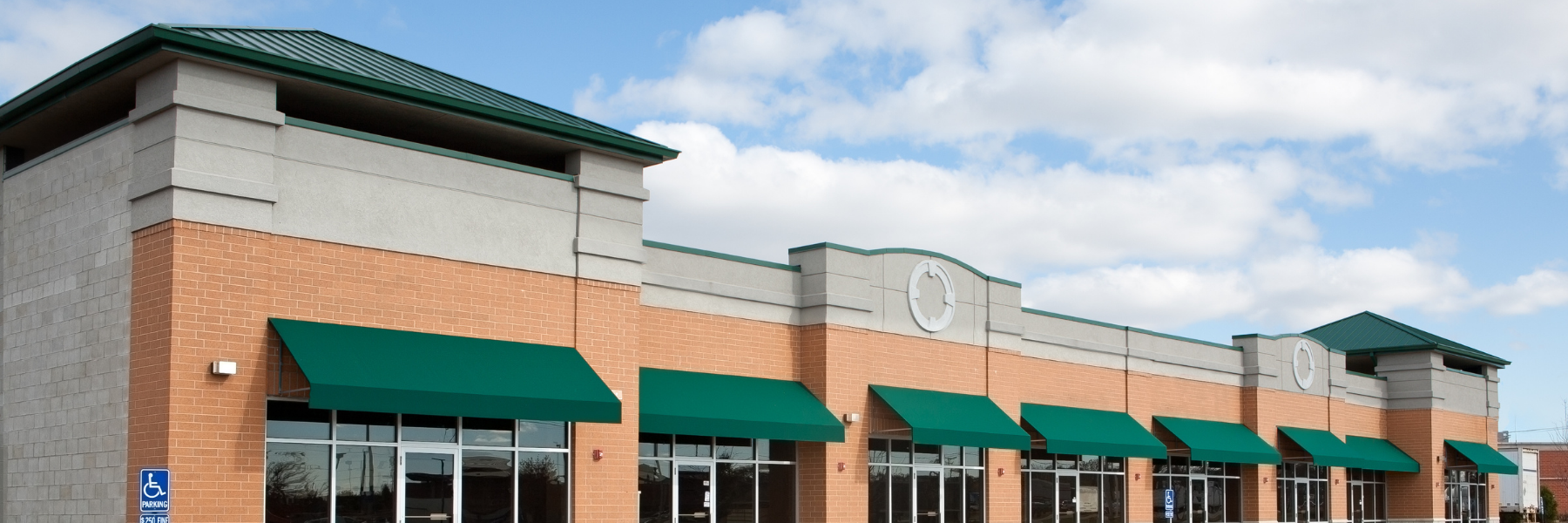
Deciding whether to repair or replace a commercial roof isn’t about reacting to the latest leak—it’s about understanding the condition of the roof system as a whole and the risks associated with each option. Age, moisture, performance history, and code considerations all play a role, and no single factor should drive the decision on its own.
For commercial buildings in New York, the most successful outcomes come from verified evaluations, not assumptions. When roof decisions are made with clear data and realistic expectations, owners and managers can avoid repeated disruptions, control long-term costs, and protect the value of their property.
A professional roof assessment can help determine whether repair, restoration, or replacement is the most practical next step for your building.
Winter commercial roof inspection helps detect leaks, drainage issues, and freeze-thaw damage before costly repairs escalate.
Learn the early warning signs of commercial roof failure and how proactive inspection can save money, reduce risk, and extend...
Roof, façade & masonry repairs for private schools in New York. Prevent water damage and protect occupied campuses year-round.
Hayden Building Maintenance Corp. is a trusted commercial roofing and waterproofing contractor serving NY, NJ, and CT, since 1973. We specialize in long-term roofing solutions for commercial properties, industrial facilities, and private institutions.
© Hayden Building Maintenance Corp. All rights reserved.