

February 10, 2026/
No Comments
Winter commercial roof inspection helps detect leaks, drainage issues, and freeze-thaw damage before costly repairs escalate.
Private Education Facilities
An overview of how roof, façade, and masonry repairs support long-term capital planning, proactive maintenance, and winter readiness for private schools and universities in New York.
15 Minutes
February 5, 2026
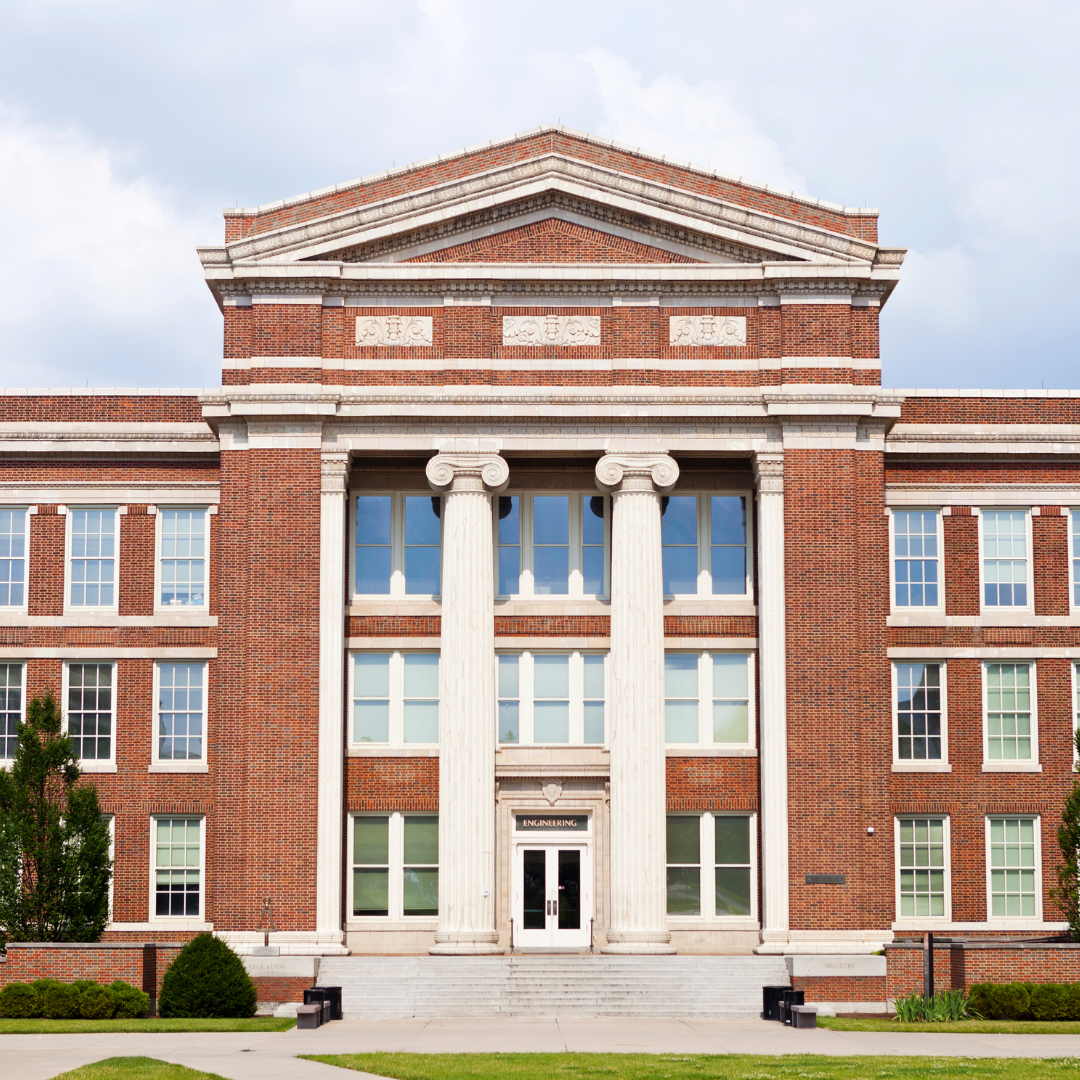
Managing a private school or university campus in New York requires long-term thinking about buildings that are often decades old and continuously occupied. While interior upgrades tend to receive the most attention, exterior systems are typically where deterioration begins. Roofs, façades, and masonry assemblies absorb the full impact of weather, temperature swings, and time—often without visible warning inside the building.
For many institutions, roof façade masonry repairs become a capital issue only after water intrusion, masonry failure, or safety concerns surface. By that point, costs are higher, schedules are compressed, and work may need to occur during active academic periods. These reactive scenarios strain operating budgets and reduce flexibility for facilities and capital planning teams.
This guide is intended to help private schools, universities, charter schools, and religious institutions better understand how exterior repairs fit into long-term planning. By approaching roof, façade, and masonry work proactively—supported by routine maintenance and winter inspections—schools can reduce emergency repairs, protect occupied spaces, and align exterior investments with predictable capital cycles rather than unexpected failures.
Exterior issues rarely appear as immediate emergencies. Instead, they develop gradually as roofing systems age, masonry joints weaken, and façade components absorb years of exposure. For private schools and universities, these conditions often remain out of sight until interior damage or safety concerns force action.
When roof, façade, or masonry repairs are postponed, small deficiencies can escalate quickly. Water intrusion, for example, may damage insulation, interior finishes, or concealed structural elements before it becomes visible inside the building. Masonry deterioration can also introduce falling-debris risks that require immediate attention.
In these situations, repairs shift from planned maintenance to unbudgeted capital expenditures. Schools are then forced to act under compressed timelines, often during the academic year, when flexibility is limited and costs are higher.
From a capital planning perspective, exterior building systems behave differently than interior finishes. Roofs, façades, and masonry assemblies follow measurable lifecycles influenced by age, materials, and environmental exposure. When these systems are evaluated consistently, their repair and replacement needs become far more predictable.
Facilities and operations teams that track exterior conditions are better positioned to schedule phased work, align projects with summer or off-session periods, and distribute costs over multiple budget cycles rather than absorbing them all at once.
Private universities, charter school networks, and religious institutions often manage multiple buildings of varying ages and construction types. In these environments, exterior failures in one structure can disrupt broader campus operations if not anticipated.
Treating roof, façade, and masonry repairs as part of an integrated capital strategy allows leadership teams to prioritize work based on risk and condition. This approach supports long-term asset preservation while reducing the likelihood of emergency repairs driven by urgency rather than planning.
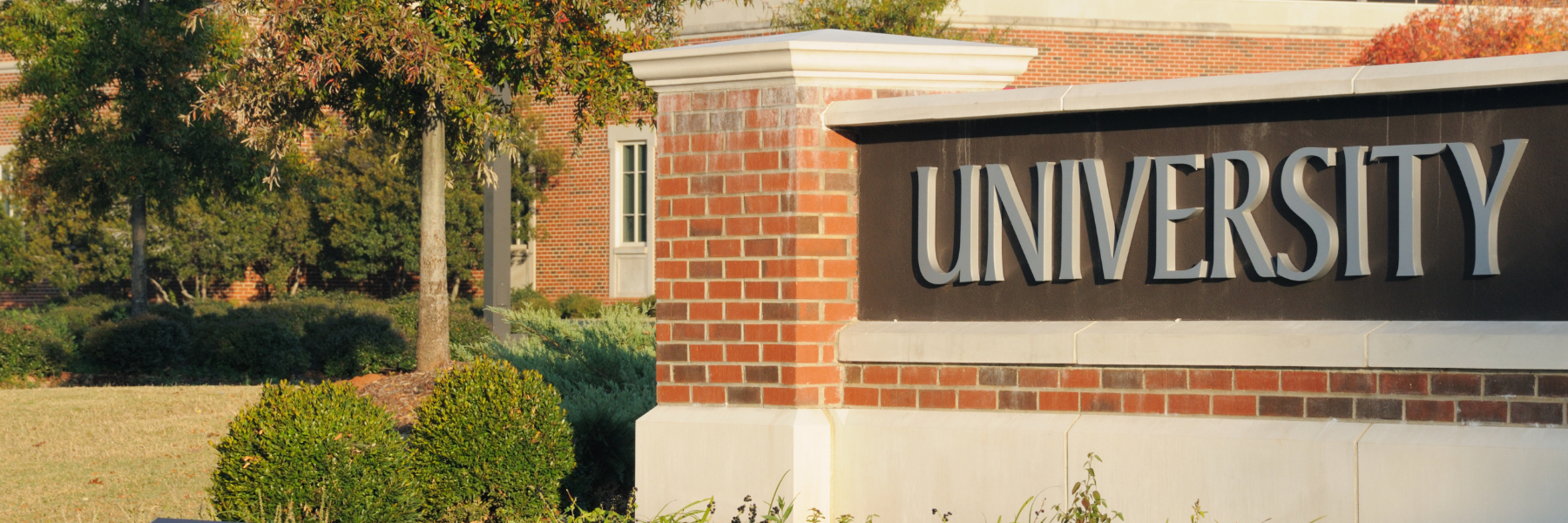
Exterior repair work on school and university buildings typically involves multiple interconnected systems rather than a single trade. Roofs, façades, and masonry assemblies work together to protect occupied spaces from water intrusion, heat loss, and structural deterioration. Understanding the scope of these repairs helps facilities and capital planning teams evaluate risk more accurately and plan work strategically.
Most private schools and universities rely on flat or low-slope roofing systems installed over classrooms, residence halls, gyms, and administrative buildings. Over time, these systems experience membrane wear, flashing failures, and drainage issues that allow moisture to migrate below the surface.
Roof repairs may include targeted membrane restoration, flashing replacement, drainage improvements, or localized structural reinforcement. Addressing these issues early helps extend roof service life and prevents water from reaching interior finishes and building assemblies.
School buildings in New York commonly feature brick, stone, or concrete façades that are exposed year-round to freeze-thaw cycles, wind-driven rain, and thermal movement. While façades often appear durable, small cracks or joint failures can allow water infiltration that accelerates deterioration from within.
Façade repairs may involve joint repointing, crack repair, sealant replacement, or selective restoration of deteriorated surfaces. These measures reduce moisture intrusion while preserving the building’s appearance and structural integrity.
Many exterior failures occur at transition points where different systems meet. Parapet walls, window perimeters, expansion joints, and roof-to-wall intersections are especially vulnerable on school buildings due to movement and repeated exposure.
Masonry repairs in these areas focus on reinforcing weak connections, restoring waterproofing continuity, and addressing deterioration before it spreads. Because these locations often serve as primary water entry points, proactive attention can significantly reduce long-term repair costs.
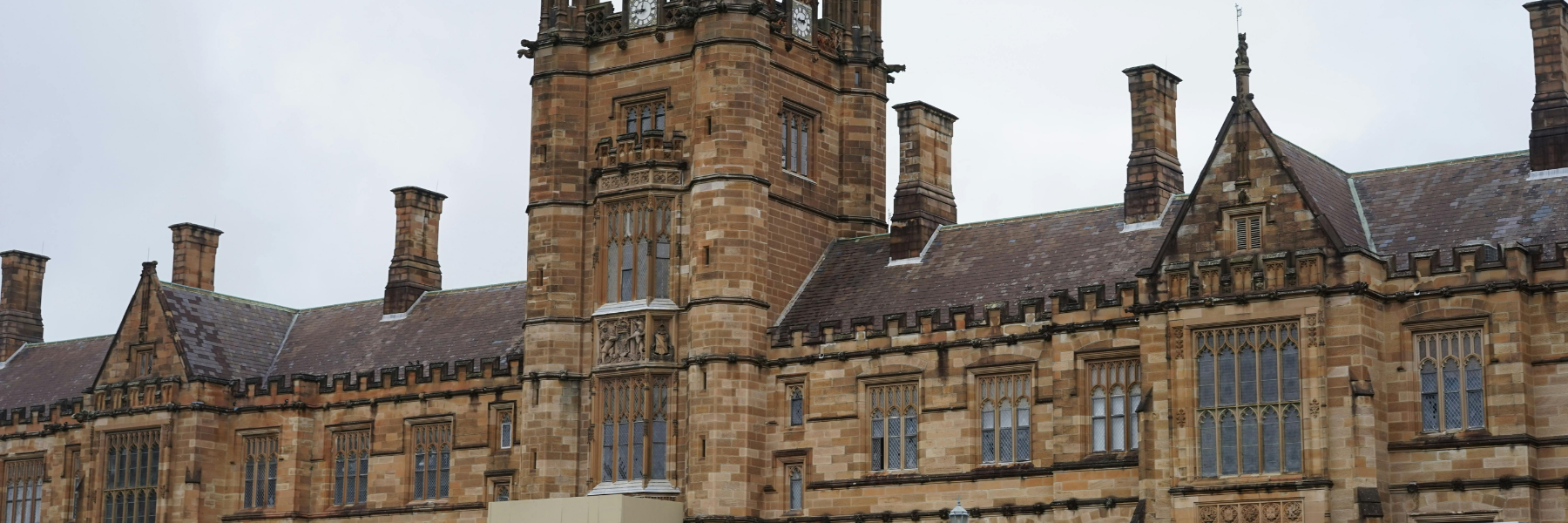
New York’s winter climate places consistent stress on exterior building systems, particularly on school and university campuses with aging roofs and masonry façades. Prolonged exposure to cold temperatures, moisture, and wind-driven weather accelerates deterioration in ways that are often difficult to detect during warmer months.
Repeated freeze-thaw cycles are one of the most damaging factors affecting campus buildings. Moisture that enters small cracks in masonry or façade joints expands when temperatures drop, widening those openings over time. As this process repeats, minor defects can develop into structural or safety concerns that require more extensive repairs.
Accumulated snow and ice place additional weight on roofing systems, particularly at roof edges, parapets, and drainage points. Ice dams can prevent proper drainage, allowing water to back up beneath roofing materials. These conditions increase the likelihood of leaks and accelerate wear on membranes and flashing.
Winter storms often combine precipitation with high winds, forcing moisture into vulnerable areas of the building exterior. Roof-to-wall transitions, window perimeters, and façade joints are especially susceptible. Because this intrusion may remain concealed within wall assemblies or insulation, damage can continue long after the storm has passed.
Winter conditions often expose weaknesses that remain hidden during the rest of the year. Active leaks, heat loss, and moisture staining are more apparent during colder months, making winter an important time for assessment. For facilities teams, these observations provide valuable insight that can inform proactive maintenance and capital planning decisions before deterioration worsens.
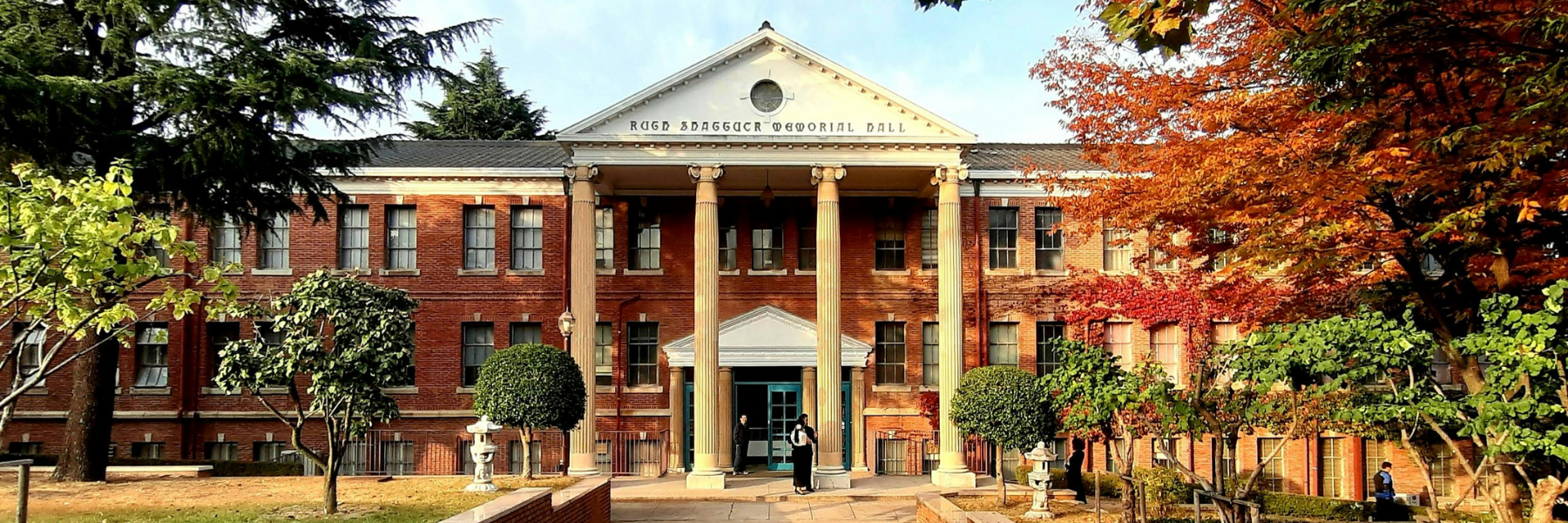
For private schools and universities, exterior maintenance decisions directly affect long-term financial stability. When roof, façade, and masonry systems are addressed only after failure, costs tend to rise quickly and unpredictably. Proactive maintenance shifts exterior repairs from emergency response to planned investment, giving institutions greater control over budgets and scheduling.
Emergency exterior repairs often carry higher costs due to accelerated timelines, temporary protection measures, and limited contractor availability. These situations frequently require immediate approval and disrupt previously allocated capital budgets.
A proactive maintenance approach identifies developing issues early, allowing repairs to be scheduled before conditions worsen. By addressing small deficiencies—such as deteriorating flashing, failing sealants, or early masonry cracking—schools can avoid larger, more expensive interventions later.
Regular evaluation and maintenance help maximize the lifespan of roofing membranes, façade assemblies, and masonry structures. Rather than replacing systems prematurely, proactive repairs focus on preserving existing assets through targeted restoration.
This approach supports capital planning by delaying major replacements and spreading costs more evenly over time. Facilities teams gain the ability to forecast exterior work more accurately, reducing financial strain and improving long-term asset management.
Proactive maintenance allows exterior repairs to be planned around academic calendars and funding cycles. Work can be scheduled during summer recesses or other low-occupancy periods, minimizing disruption to students and staff.
For private universities, charter networks, and religious institutions managing multiple buildings, this alignment is especially valuable. Coordinated maintenance programs create consistency across campuses while supporting predictable budgeting and long-term planning goals.
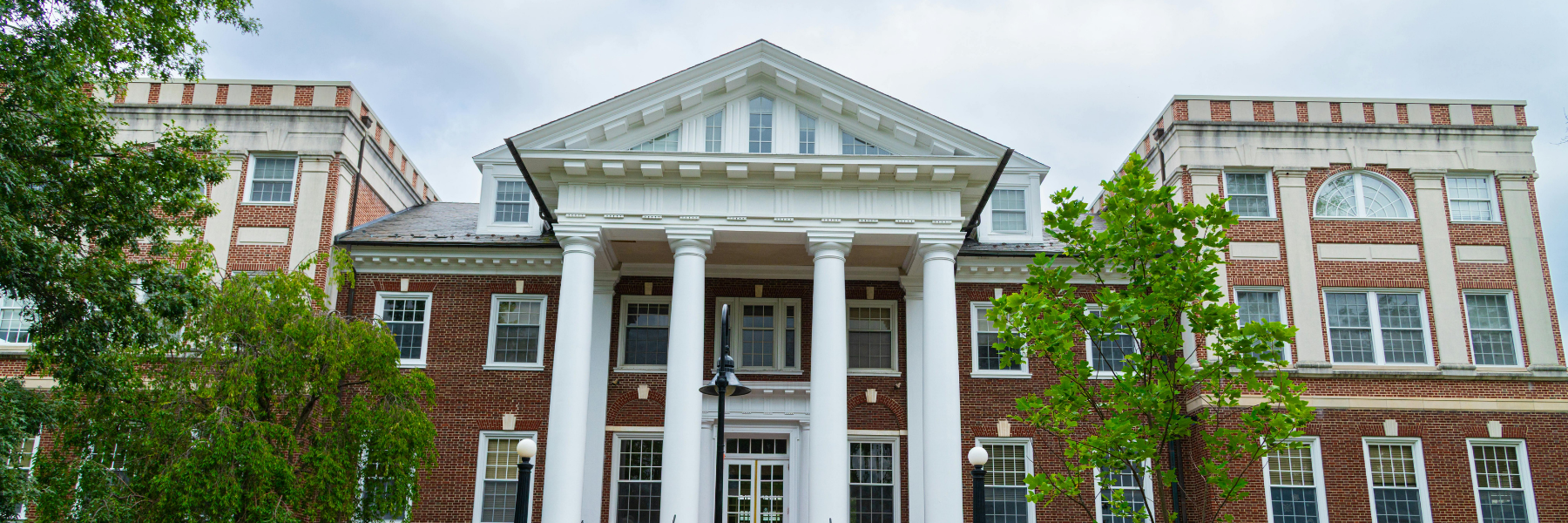
Winter inspections play a critical role in helping private schools and universities make informed decisions about exterior repairs. Unlike inspections conducted during warmer months, winter conditions actively reveal performance issues that may otherwise remain concealed within roofing and masonry assemblies. For capital planning teams, this information provides valuable, real-world data rather than theoretical assessments.
Cold temperatures, snow accumulation, and ice formation place exterior systems under stress, making active leaks easier to detect. Moisture intrusion, heat loss, and compromised insulation often become visible during winter, allowing facilities teams to pinpoint areas of concern with greater accuracy.
These findings help distinguish cosmetic deterioration from functional failure. By identifying which roof, façade, or masonry areas are actively allowing moisture or energy loss, schools can prioritize repairs based on performance impact rather than appearance alone.
Winter inspection results serve as a practical foundation for planning warm-weather repair projects. Documented issues can be evaluated, scoped, and budgeted well in advance of summer recess or off-session periods, reducing last-minute decision-making.
For institutions with capital committees or board approval processes, winter inspections provide the lead time necessary to review findings, allocate funds, and sequence projects responsibly. This proactive approach helps ensure that exterior repairs occur under controlled conditions rather than emergency timelines.
Incorporating winter inspections into a recurring maintenance program strengthens long-term capital forecasting. Over time, inspection data reveals trends in system performance and deterioration rates, allowing schools to anticipate future needs more accurately.
For campuses managing multiple buildings, this consistency supports phased planning across facilities. Rather than reacting to isolated failures, leadership teams can develop multi-year exterior repair strategies aligned with institutional priorities and available funding.
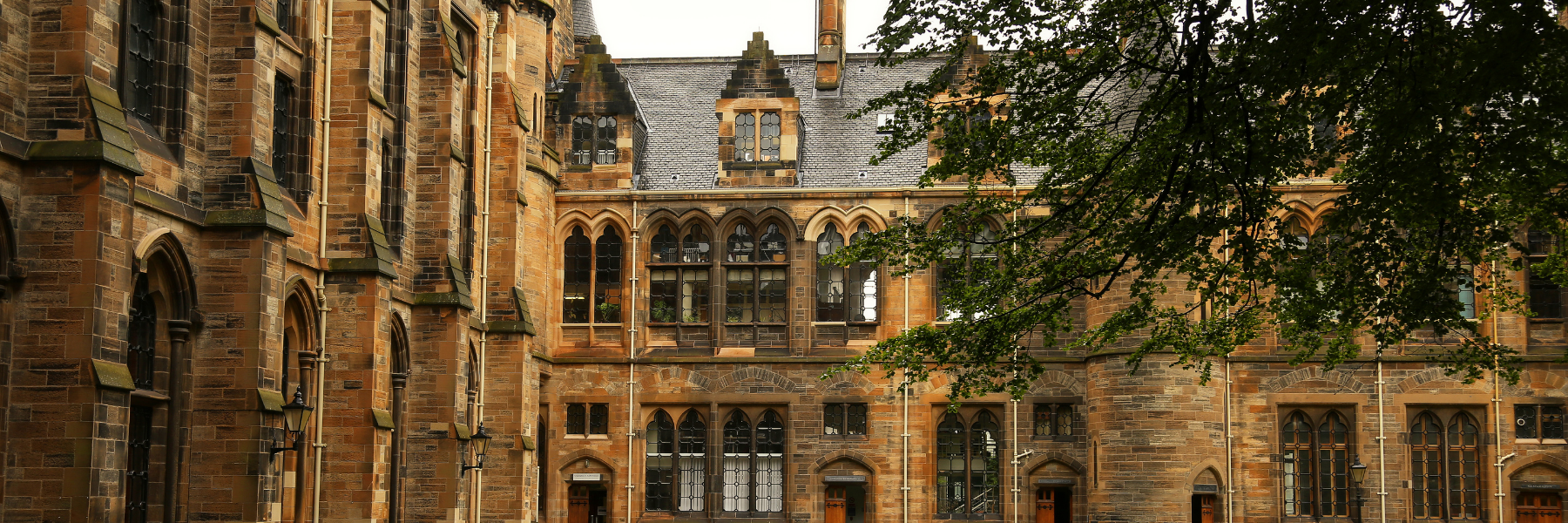
Scheduling exterior repairs on active school and university campuses requires careful coordination. Unlike many commercial properties, academic environments operate on fixed calendars with limited flexibility. Aligning roof, façade, and masonry repairs with these schedules allows institutions to complete necessary work while minimizing disruption to students, faculty, and staff.
For most private schools and universities, summer recess and academic breaks provide the most practical windows for exterior work. During these periods, access to buildings is less restricted, and construction activities can proceed more efficiently without interfering with daily campus operations.
Capital planning teams that evaluate exterior conditions early are better positioned to reserve these windows for critical repairs. This foresight reduces the likelihood of emergency work during the academic year, when noise, access limitations, and safety concerns are more difficult to manage.
Many campuses remain partially occupied year-round, particularly those with residential housing, administrative offices, or religious facilities. In these cases, exterior repairs must be phased carefully to maintain safe access routes and limit disruption.
Phased roof, façade, and masonry repairs allow work to progress systematically across buildings or sections of a campus. This approach supports continuity of operations while ensuring that higher-risk areas are addressed first.
Effective scheduling depends on aligning construction timelines with budgeting and approval processes. Schools that incorporate exterior repairs into multi-year capital plans can coordinate funding, approvals, and contractor availability well in advance.
By integrating academic calendars with capital planning cycles, institutions maintain greater control over scope, cost, and timing. This coordination helps ensure that exterior repairs are completed efficiently, predictably, and in a manner that supports long-term campus goals.
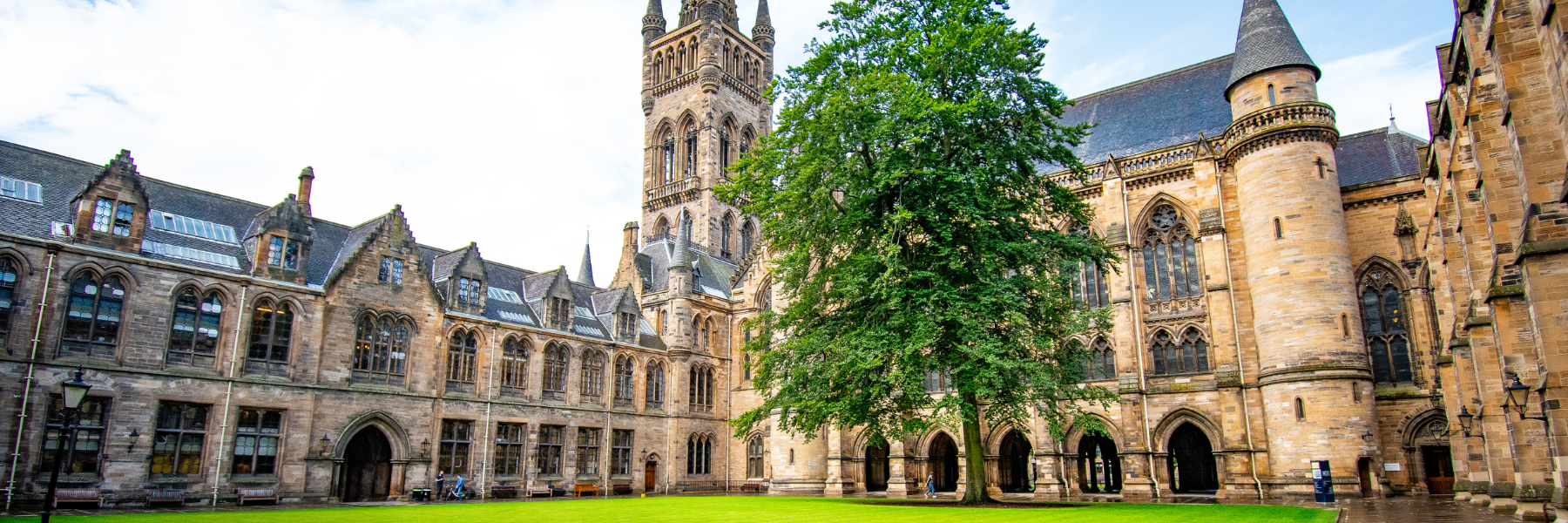
Knowing when to evaluate roof, façade, and masonry conditions is critical for avoiding unplanned repairs and maintaining budget control. For private schools and universities, early evaluation allows exterior issues to be addressed strategically rather than reactively, giving facilities and capital planning teams more flexibility.
Persistent leaks, staining, or moisture-related interior issues are often indicators of exterior system failures rather than isolated interior problems. When these conditions recur despite minor repairs, it typically signals underlying roof, façade, or masonry deterioration that warrants a comprehensive exterior evaluation.
Addressing these issues early helps prevent further damage to insulation, finishes, and structural components while reducing the risk of emergency interventions.
Exterior systems have finite service lives influenced by materials, exposure, and maintenance history. Roofs nearing the latter stages of their expected lifespan, masonry showing widespread joint deterioration, or façades exhibiting cracking or displacement should be evaluated proactively.
Lifecycle-based evaluations allow schools to plan repairs or phased restoration before failure occurs, supporting more predictable capital budgeting.
When exterior repairs become more frequent or maintenance costs rise year over year, it may indicate that systems are no longer performing as intended. This trend often suggests that isolated repairs are no longer sufficient and that broader restoration planning is needed.
Early evaluation in these cases helps leadership determine whether continued maintenance remains cost-effective or if a more comprehensive repair strategy is warranted.
Exterior evaluations are especially important when institutions are preparing capital plans, renovations, or campus expansion projects. Understanding existing conditions allows schools to integrate exterior repairs into broader planning efforts rather than treating them as separate or unexpected expenses.
For private universities, charter networks, and religious institutions, aligning exterior assessments with long-term planning initiatives supports informed decision-making and responsible asset management.
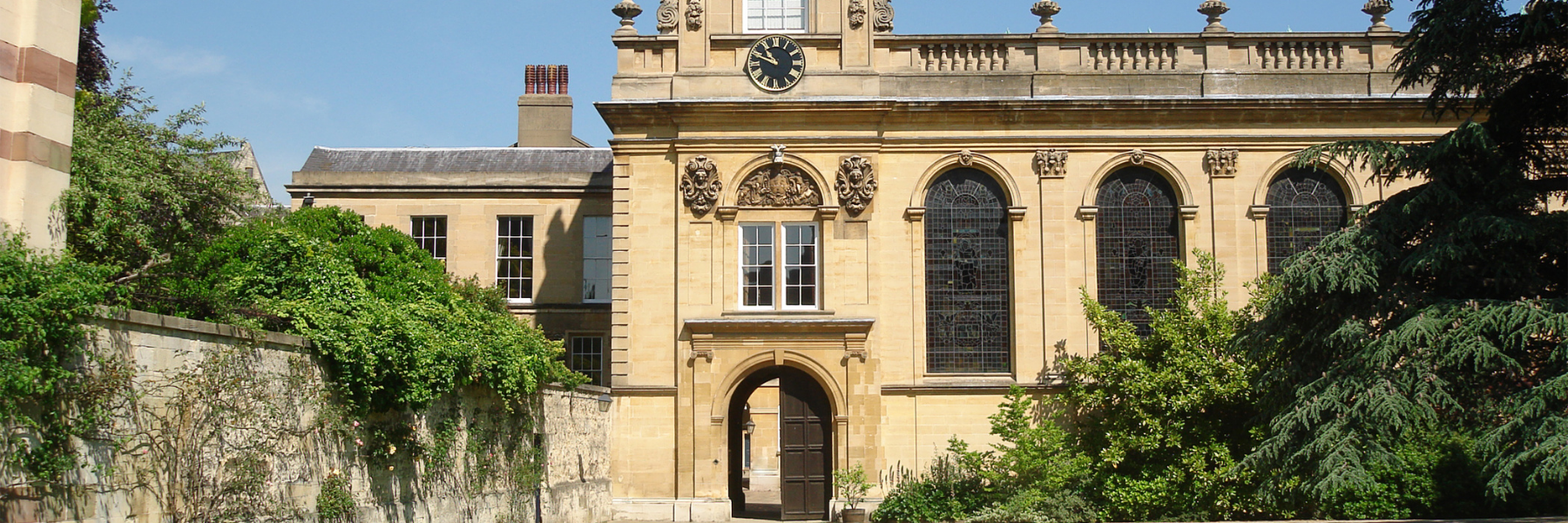
Roof, façade, and masonry repairs play a critical role in protecting the long-term value and safety of private school and university campuses across New York. When exterior systems are evaluated proactively, institutions gain greater control over budgets, scheduling, and risk—reducing the likelihood of disruptive emergency repairs and unplanned capital expenditures.
By understanding how exterior deterioration develops, how winter conditions accelerate damage, and how proactive maintenance and inspections inform planning, schools can shift exterior repairs from reactive problem-solving to strategic asset management. Aligning evaluations and repair schedules with academic calendars and capital cycles allows leadership teams to make informed decisions that support both operational continuity and long-term institutional goals.
For private schools, universities, charter networks, and religious institutions, early evaluation and ongoing maintenance are not simply facilities tasks—they are essential components of responsible campus stewardship.
A proactive evaluation of roof, façade, and masonry systems helps private schools and universities plan repairs, reduce emergency costs, and align work with academic and capital cycles.
Winter commercial roof inspection helps detect leaks, drainage issues, and freeze-thaw damage before costly repairs escalate.
Learn the early warning signs of commercial roof failure and how proactive inspection can save money, reduce risk, and extend...
Roof, façade & masonry repairs for private schools in New York. Prevent water damage and protect occupied campuses year-round.
Hayden Building Maintenance Corp. is a trusted commercial roofing and waterproofing contractor serving NY, NJ, and CT, since 1973. We specialize in long-term roofing solutions for commercial properties, industrial facilities, and private institutions.
© Hayden Building Maintenance Corp. All rights reserved.