
February 10, 2026/
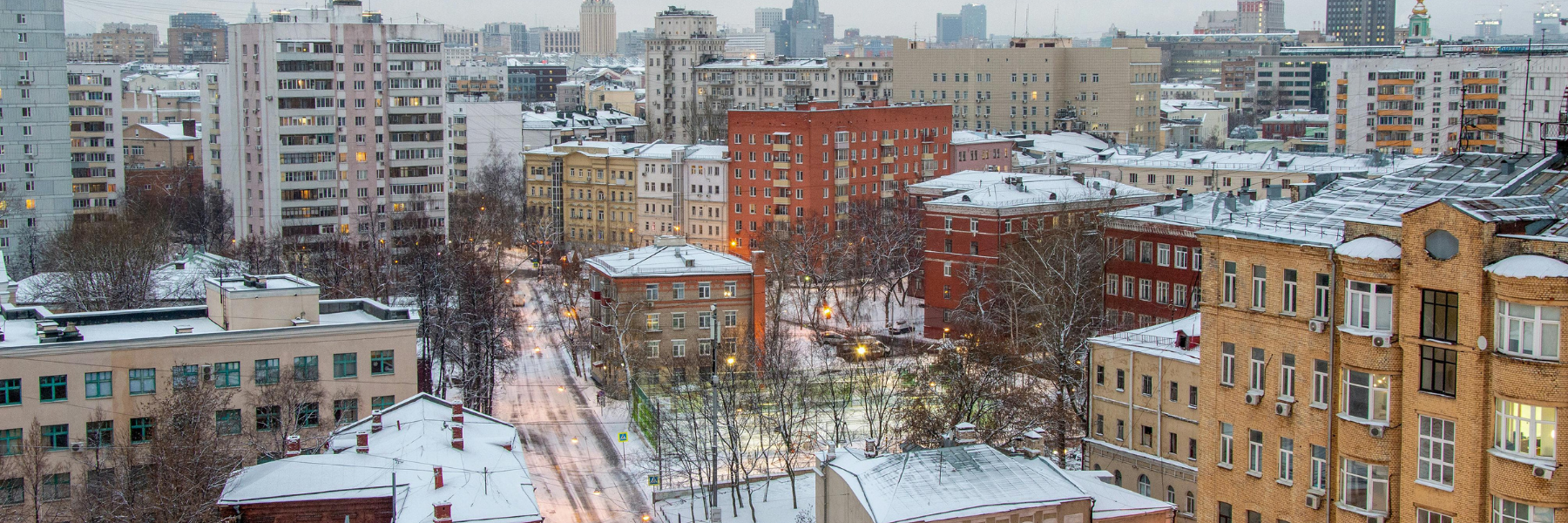
Winter commercial roof inspection helps detect leaks, drainage issues, and freeze-thaw damage before costly repairs escalate.
Commercial Property Management

Early warning signs of commercial roof failure often appear long before active leaks. Understanding membrane distress, drainage issues, and structural indicators allows property owners and facility teams to address problems early, reduce risk, and extend roof system performance.
15 Minutes
February 6, 2026
Managing a commercial building means balancing budgets, tenant needs, safety requirements, and long-term asset performance—yet the roof is often overlooked until a problem becomes unavoidable. In many cases, commercial roof failure does not begin with an obvious leak, but with subtle warning signs that develop quietly across the membrane, drainage system, or structural components. When these early indicators go unnoticed, minor issues can escalate into costly emergency repairs, interior disruption, and unplanned capital expenses.
Understanding how to identify early warning signs of commercial roof failure allows property owners, facility managers, and operations teams to act before conditions worsen. In this guide, we’ll break down the most common indicators of roof distress, explain why they matter in commercial environments, and outline how proactive observation and professional inspections support smarter maintenance planning and longer roof system performance.
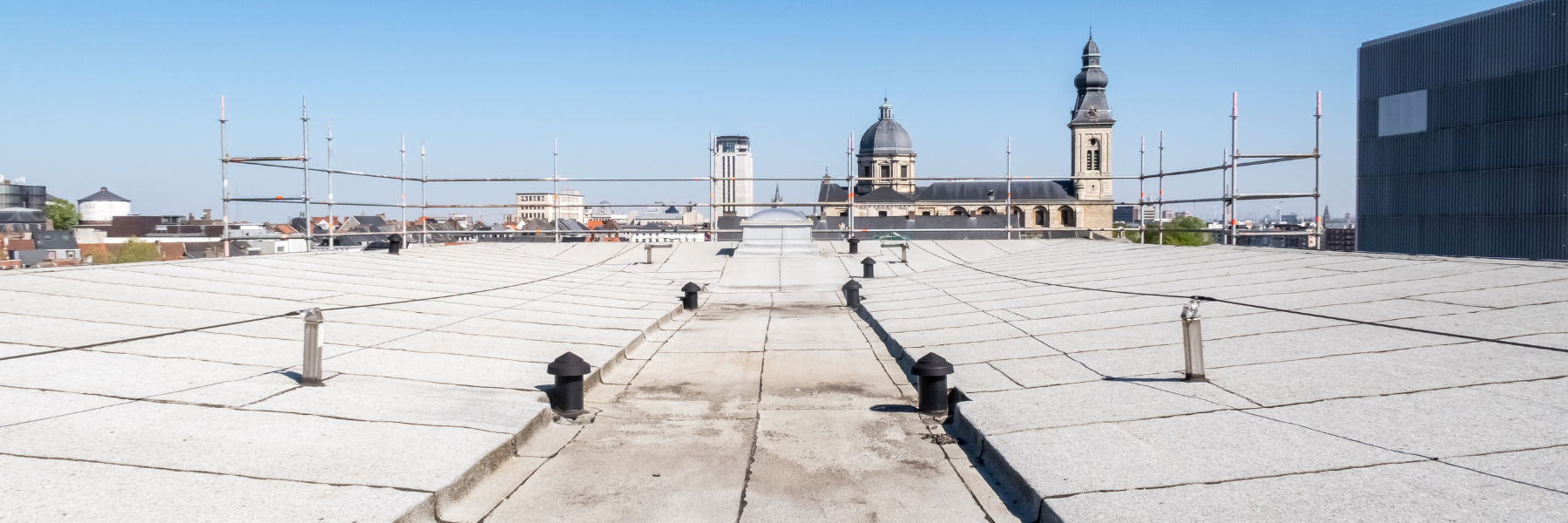
Commercial roof systems are designed to perform quietly in the background, protecting occupants, operations, and assets without drawing attention. As a result, early signs of failure often develop out of sight and over time, making them easy to overlook during day-to-day facility operations.
In most facilities, roofing systems are typically low-slope or flat and consist of multiple layers working together as a single assembly. These layers may include membranes, insulation, vapor barriers, structural decking, flashings, and drainage components. When one element begins to deteriorate, the symptoms are not always immediate or obvious.
Small issues—such as minor membrane separation or slow drainage—can exist for months before they present as interior leaks or visible damage. During this period, moisture may travel laterally across the roof system, affecting areas far from the original point of entry.
In many commercial environments, roof conditions are not part of routine visual checks unless a problem disrupts operations. Facility teams are often focused on interior systems, tenant needs, safety compliance, and scheduled maintenance items that demand immediate attention.
As a result, roof-related issues may only be addressed when:
Water enters occupied spaces
Ceiling systems show visible staining
Equipment or inventory is impacted
Emergency response becomes necessary
By the time these symptoms appear, underlying damage has often progressed beyond simple repairs.
Early-stage roof deterioration rarely resolves on its own. Exposure to UV radiation, temperature fluctuations, snow loads, and standing water can accelerate material breakdown once vulnerabilities exist. Without early detection, what begins as a localized issue can expand into insulation saturation, compromised drainage performance, or reduced structural integrity.
Recognizing why early roof failure goes unnoticed is the first step toward preventing avoidable damage and extending the functional life of a commercial roof system.
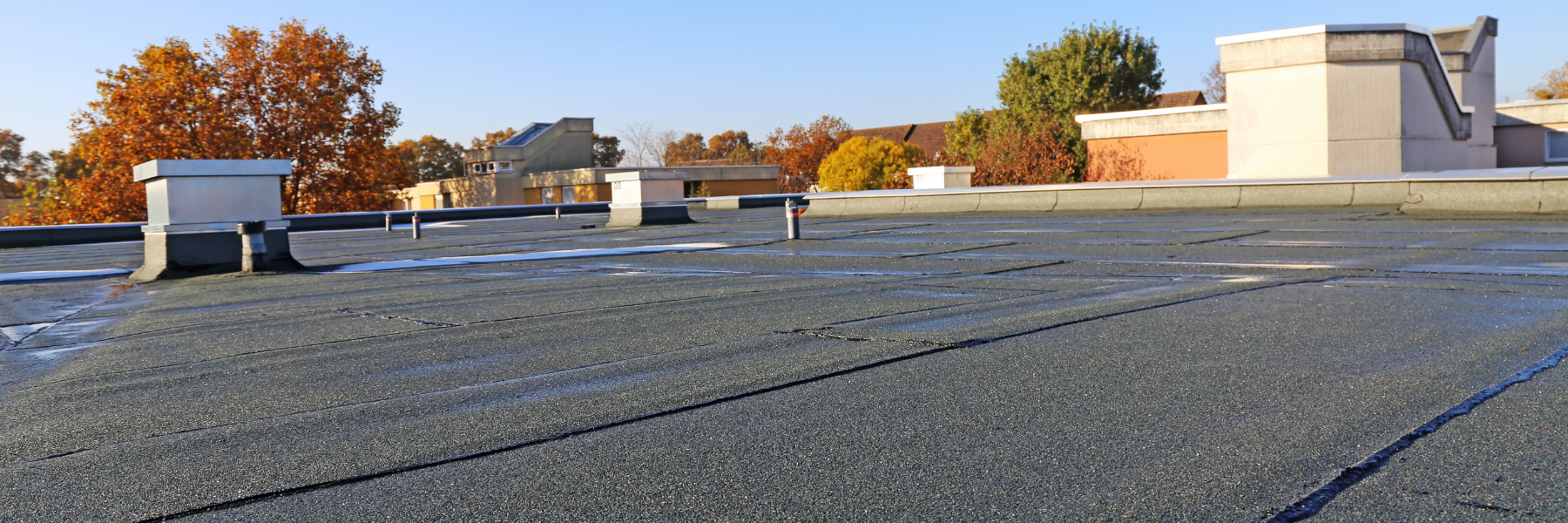
Early warning signs of commercial roof failure often appear at the system level rather than as a single, obvious defect. In many cases, these indicators develop gradually across the membrane, drainage components, and roof penetrations. As a result, early deterioration can go unnoticed until problems escalate.
The roof membrane is the primary waterproofing layer in most commercial roofing systems. When it begins to fail, visual and tactile clues often emerge well before leaks are reported.
Thermal movement, UV exposure, and age can cause membranes to crack, blister, or separate. Blisters may indicate trapped moisture or air beneath the surface, while cracking often signals material fatigue. These conditions reduce waterproofing performance and typically worsen over time if left unaddressed.
In single-ply systems, seams are critical failure points. Separation at welded or adhered seams can allow moisture to migrate beneath the membrane. Shrinkage around edges or penetrations may also pull materials away from secure attachment points, increasing vulnerability during storms.
Proper drainage is essential for maintaining roof system health. When water is not directed off the roof efficiently, deterioration accelerates.
Water that remains on a roof surface more than 24–48 hours after rainfall is a common warning sign. Persistent ponding increases membrane stress, promotes biological growth, and adds unnecessary load to the roof structure.
Debris accumulation around internal drains, scuppers, or gutters restricts water flow. Over time, this can cause localized ponding, edge deterioration, and premature membrane breakdown near drainage points.
Roof penetrations and perimeter details are among the most failure-prone areas of any commercial roof system.
Flashing protects transitions where the roof meets walls, curbs, and penetrations. Cracked sealants, lifted flashing, or corrosion around these areas can create direct paths for water intrusion beneath the roof assembly.
HVAC units, exhaust fans, and other rooftop equipment introduce vibration and thermal movement. Over time, this movement can compromise seals and flashing details, especially if routine inspections are deferred.
Interior signs often appear after exterior deterioration has already begun, making them critical indicators of underlying roof distress.
Water staining on ceiling tiles or finished surfaces may indicate slow leaks that have traveled laterally across the roof deck before becoming visible.
In mechanical rooms, storage areas, or upper floors, unexplained humidity or persistent moisture odors can signal concealed water infiltration originating at the roof level.
Each of these warning signs points to a system that is no longer performing as intended. While some issues may seem minor in isolation, they often indicate broader vulnerabilities within the roof assembly. Early identification allows for targeted repairs, informed maintenance planning, and better long-term cost control.
While some warning signs of commercial roof failure are visible during routine observation, many critical issues remain hidden beneath the surface. Professional roof evaluations are designed to identify these vulnerabilities early, using a systematic approach that goes beyond what can be seen during casual walkthroughs.
A professional evaluation begins with a detailed visual inspection of the roof surface and perimeter conditions. This process focuses on identifying irregularities that signal early-stage deterioration.
Inspectors assess:
Membrane condition, including seams, terminations, and surface wear
Flashing integrity at walls, curbs, and penetrations
Drainage components, including internal drains and scuppers
Evidence of ponding, debris accumulation, or surface deformation
These observations help establish whether observed issues are isolated or indicative of broader system concerns.
Visual signs alone do not always reveal the full extent of roof deterioration. Moisture trapped within insulation or below the membrane can compromise performance long before leaks appear.
Thermal imaging and other non-invasive tools are commonly used to detect temperature differentials caused by trapped moisture. These technologies allow inspectors to identify saturated insulation and concealed leaks without disturbing the roof assembly.
In some cases, limited probing or core cuts may be performed to confirm suspected conditions. This step helps determine insulation saturation levels, membrane adhesion, and overall system health, providing data-driven insight for repair or maintenance planning.
Professional assessments often include interior observations to correlate roof conditions with building symptoms. Inspectors review upper-level spaces, ceiling systems, and mechanical areas for signs of moisture intrusion that may not be visible from the roof surface.
Common indicators include:
Staining or corrosion beneath the roof deck
Moisture patterns inconsistent with plumbing or mechanical systems
Repeated ceiling repairs in similar locations
Matching exterior findings with interior conditions improves diagnostic accuracy.
A critical component of professional roof evaluation is documentation. Findings are typically recorded through written reports, photographs, and diagrams that outline existing conditions and areas of concern.
These reports allow building owners and facility teams to:
Understand the severity and scope of identified issues
Prioritize repairs or maintenance activities
Plan budgets with clearer insight into roof performance
Track changes in roof condition over time
By identifying roof failure early—before leaks disrupt operations—professional evaluations support proactive decision-making and long-term asset protection.
Identifying early warning signs of commercial roof failure is not only a maintenance concern—it is also a financial and operational strategy. When addressed early, roof issues allow building owners and facility teams to retain greater control over costs, scheduling, and long-term asset performance. Conversely, when issues are ignored, expenses rise quickly.
Roof failures that go unnoticed often surface as emergencies. These situations typically require immediate response, premium labor rates, temporary interior mitigation, and unplanned disruptions. In contrast, early-stage issues are usually isolated and easier to correct through targeted repairs.
By addressing deterioration before it escalates, organizations can:
Avoid emergency service premiums
Reduce interior damage and secondary repairs
Maintain predictable maintenance budgets
Extend the service life of the existing roof system
Early detection shifts roof management from reactive spending to planned investment.
Roof failures rarely affect only the roof itself. Water intrusion can disrupt tenant operations, damage inventory or equipment, and introduce safety concerns within occupied spaces. For facilities with continuous operations—such as offices, schools, or industrial environments—these disruptions can be costly and difficult to manage.
Early identification allows repairs to be scheduled strategically, minimizing:
Downtime or operational interruptions
Safety risks from wet surfaces or electrical exposure
Repeated interior repairs to ceilings and finishes
This proactive approach supports safer, more reliable building performance.
Routine identification of early roof issues provides valuable insight into overall system condition. When findings are documented over time, facility teams gain a clearer understanding of performance trends and remaining service life.
This information supports:
More accurate capital forecasting
Smarter repair-versus-replacement decisions
Better coordination with broader building maintenance plans
Rather than reacting to sudden failures, organizations can plan roof investments with confidence and clarity.
This approach plays a critical role in preventing commercial roof failure and preserving long-term system performance. Rather than waiting for visible damage or interior leaks, a structured maintenance approach allows issues to be identified and addressed while they are still manageable.
Routine inspections provide consistent visibility into roof conditions as they change over time. When conducted on a scheduled basis—typically semiannually and after major weather events—inspections help identify early warning signs before they escalate.
Effective inspection programs focus on:
Membrane condition and seam integrity
Drainage performance and debris accumulation
Flashing and penetration stability
Changes in surface wear or ponding patterns
This ongoing monitoring creates a baseline for evaluating roof health and identifying emerging risks.
One of the primary benefits of proactive maintenance is the ability to perform targeted repairs instead of broad, reactive work. Addressing minor defects early helps prevent moisture infiltration, insulation saturation, and system-wide deterioration.
Preventive interventions may include:
Resealing flashings and penetrations
Clearing drains and restoring proper water flow
Reinforcing vulnerable seams or terminations
Correcting localized membrane damage
These actions are typically less disruptive and more cost-effective than emergency repairs.
A well-maintained commercial roof consistently outperforms neglected systems in terms of longevity and reliability. By managing wear proactively, facility teams can maximize the usable life of the roof and delay major capital expenditures.
Maintenance documentation also supports:
Warranty compliance
Informed lifecycle planning
Data-driven repair versus replacement decisions
Proactive maintenance transforms the roof from a reactive liability into a managed building asset.
Early warning signs of commercial roof failure rarely appear all at once. They develop gradually through membrane deterioration, drainage issues, flashing vulnerabilities, and subtle interior indicators. When these signs are recognized early, building owners and facility teams gain the opportunity to address problems before they escalate into costly disruptions or emergency repairs.
By understanding how roof failure begins and how professionals evaluate early-stage issues, organizations can shift from reactive responses to proactive roof management. Regular inspections, targeted maintenance, and informed planning all contribute to extended roof system performance and greater control over long-term building costs.
Early warning signs don’t always require major repairs—but ignoring them often leads to costly surprises. A professional evaluation can help you understand current roof conditions, prioritize next steps, and plan proactively.
Winter commercial roof inspection helps detect leaks, drainage issues, and freeze-thaw damage before costly repairs escalate.
Learn the early warning signs of commercial roof failure and how proactive inspection can save money, reduce risk, and extend...
Roof, façade & masonry repairs for private schools in New York. Prevent water damage and protect occupied campuses year-round.
Hayden Building Maintenance Corp. is a trusted commercial roofing and waterproofing contractor serving NY, NJ, and CT, since 1973. We specialize in long-term roofing solutions for commercial properties, industrial facilities, and private institutions.
© Hayden Building Maintenance Corp. All rights reserved.