
Winter Commercial Roof Inspection Guide
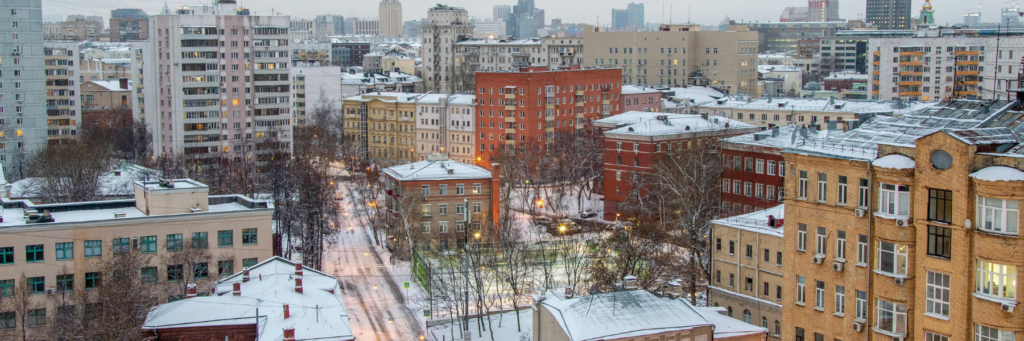
Winter commercial roof inspection helps detect leaks, drainage issues, and freeze-thaw damage before costly repairs escalate.
How to Identify Early Warning Signs of Commercial Roof Failure
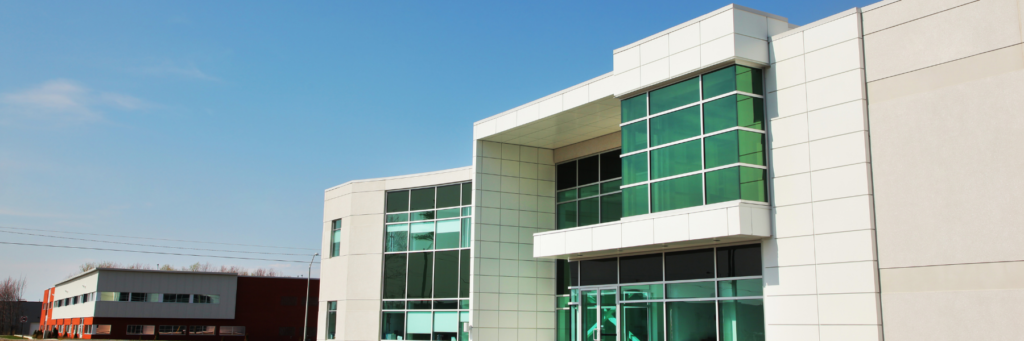
Learn the early warning signs of commercial roof failure and how proactive inspection can save money, reduce risk, and extend roof life.
Roof, Façade & Masonry Repairs for Private Schools in New York
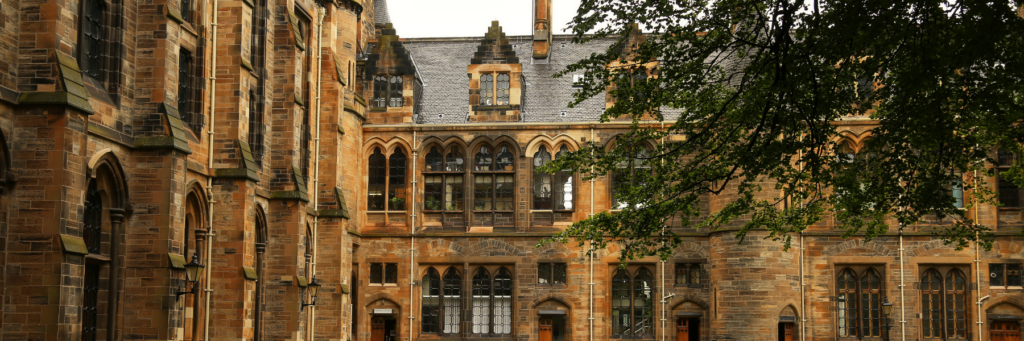
Roof, façade & masonry repairs for private schools in New York. Prevent water damage and protect occupied campuses year-round.
Commercial Roof Lifespan: What Property Managers Need to Know
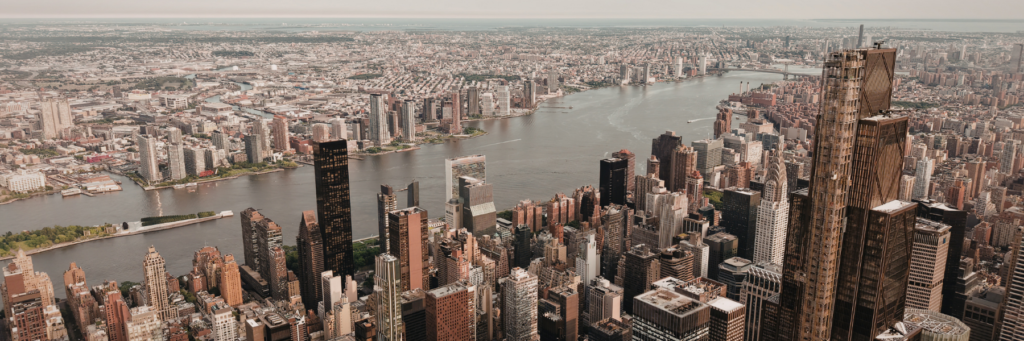
Learn how long commercial roofs last in New York and what property managers should consider when planning maintenance and replacement.
Roofing Repair vs. Replacement: How to Know What You Need
Knowing whether your commercial roof needs repair or full replacement starts with understanding roof condition, moisture risk, and long-term performance.
Commercial Roofing Services for CRE Firms in NY

Commercial roofing services for CRE firms in NY focused on asset protection, lifecycle planning, and portfolio-level risk reduction.
What Is a Building Envelope? Tri-State Commercial Guide
What Is a Building Envelope? Tri-State Commercial Guide In the world of commercial real estate, few concepts are as critical—and often overlooked—as the building envelope. This invisible shield is the first line of defense against the elements, safeguarding everything from structural integrity to energy efficiency. For property managers and facilities executives across New York, New Jersey, and Connecticut, understanding the building envelope isn’t just technical—it’s strategic. Request an Estimate Protecting Your Property from Roof to Façade At Hayden Building Maintenance Corp., we define the building envelope as more than just walls and roofs. It’s a comprehensive system that includes roofing, masonry, waterproofing, and proactive maintenance—all working together to protect your investment. Whether you’re overseeing a high-rise in Manhattan, a corporate campus in Stamford, or a retail center in Bergen County, your building envelope is the key to long-term performance and resilience. Why Building Envelopes Matter in Commercial Properties For commercial property owners and facilities executives, the building envelope isn’t just a technical term—it’s a strategic asset. It defines how well a structure withstands the elements, conserves energy, and maintains safety and comfort for occupants. In the Tri-State Region, where seasonal extremes and urban density pose unique challenges, the integrity of your building envelope directly impacts operational efficiency and long-term ROI. A compromised envelope can lead to costly issues: water intrusion, mold growth, energy loss, and even structural degradation. These risks are amplified in high-traffic urban centers like New York City, where façade inspections are mandated, and in coastal areas of Connecticut and New Jersey, where moisture control is critical. By investing in proactive envelope maintenance—roofing, masonry, waterproofing, and emergency services—commercial property managers can reduce downtime, avoid emergency repairs, and extend the life of their assets. Hayden Building Maintenance Corp. specializes in identifying vulnerabilities before they become liabilities, offering tailored solutions for every property type across Westchester County, Bergen County, and Fairfield County. Core Components of a Building Envelope A building envelope is more than just a shell—it’s a system of interconnected components that work together to protect, insulate, and preserve the structure. For commercial properties in the Tri-State Region, each element plays a vital role in performance and longevity. Roofing Systems The roof is the most exposed and vulnerable part of any building. It must withstand seasonal extremes—from summer heatwaves in New York City to winter storms in Fairfield County. A well-maintained roofing system not only prevents leaks but also contributes to energy efficiency and structural longevity. Hayden’s emergency response and proactive maintenance programs ensure that roofing issues are addressed before they escalate. Façade & Masonry The façade defines both the appearance and the structural health of a building. Masonry elements like brick and stone are subject to wear from moisture, freeze-thaw cycles, and pollution—especially in urban centers like Newark. Restoration and waterproofing services help preserve the façade’s integrity while meeting local inspection requirements. Foundation & Waterproofing The foundation anchors the building and must be protected from water infiltration and soil movement. In flood-prone areas of New Jersey, below-grade waterproofing and proper drainage systems are essential to prevent mold, structural damage, and costly repairs. Geo-Specific Challenges and Solutions Commercial buildings across the Tri-State Region face distinct environmental and regulatory challenges that directly impact the performance of their building envelopes. From coastal moisture to urban density, each location demands a tailored approach to maintenance and protection. NYC In New York City, high-rise structures are subject to intense weather exposure and strict façade inspection laws. The combination of wind, rain, and freeze-thaw cycles can accelerate deterioration, making proactive masonry and waterproofing essential. Hayden’s restoration services help property managers stay ahead of Local Law 11 requirements while preserving the integrity of their façades. NJ New Jersey properties, particularly in Bergen County, often contend with storm-related damage and fluctuating temperatures. Emergency roofing and waterproofing services are critical to minimizing downtime and preventing interior damage. Hayden’s rapid response teams are equipped to handle urgent repairs while implementing long-term solutions that fortify the building envelope. CT In Connecticut, especially in Fairfield County, seasonal shifts bring heavy snow, ice, and humidity. These conditions can compromise roofing systems and masonry joints if not properly maintained. Hayden’s preventative maintenance programs are designed to address these risks before they escalate, ensuring year-round protection for commercial facilities. By understanding the unique demands of each region—and responding with location-specific strategies—Hayden Building Maintenance Corp. helps clients maintain resilient, compliant, and high-performing building envelopes across the Northeast. Hayden’s Full-Service Building Envelope Approach At Hayden Building Maintenance Corp., the building envelope isn’t just a collection of parts—it’s a unified system that demands expert oversight and strategic care. Our full-service approach is designed to meet the complex needs of commercial properties across the Tri-State Region, from high-rise towers in Manhattan to sprawling campuses in Stamford and industrial facilities in Bergen County. We specialize in roofing, masonry restoration, waterproofing, and emergency services, offering a seamless experience that eliminates the need for multiple contractors. This integration ensures that every component—from the roof to the façade—is maintained with precision and consistency. Our emergency response teams are available 24/7, ready to address urgent issues that threaten building integrity. Meanwhile, our proactive maintenance programs are tailored to each property’s unique profile, helping clients avoid costly repairs and extend the life of their assets. Whether it’s restoring a historic façade in Westchester County, waterproofing a coastal structure in Connecticut, or preparing a commercial roof for winter in New Jersey, Hayden delivers solutions that are both technically sound and strategically aligned with long-term property goals. Ready to Protect Your Building Envelope? Your building envelope is your first—and best—line of defense. Don’t wait for a leak, crack, or compliance issue to take action. Whether you’re managing a high-rise in New York City, a corporate facility in Stamford, or a retail property in Bergen County, Hayden Building Maintenance Corp. is your trusted partner for full-service envelope solutions. From emergency response to long-term maintenance, we help commercial property leaders stay ahead of risk and ahead of schedule. Schedule a Consultation Today Assess your building envelope and discover how Hayden can help you protect your investment—roof to façade. Call 845-353-3400 to schedule your consultation today.
EPDM Roofing for Commercial Buildings in NY, NJ & CT
EPDM Roofing Systems for Long-Lasting Commercial Protection Discover why EPDM is one of the most trusted flat roofing solutions for commercial buildings across NY, NJ, & CT. EPDM roofing systems offer exceptional durability, weather resistance, and cost efficiency, making them a top choice for commercial properties in the Northeast. At Hayden Building Maintenance Corp., we specialize in installing, repairing, and maintaining EPDM roofs tailored to your building’s needs. Request an Estimate Introduction to EPDM Roofing EPDM — short for ethylene propylene diene monomer — is a synthetic rubber roofing membrane known for its flexibility, longevity, and low maintenance needs. Since its introduction in the 1960s, EPDM has become a leading choice for flat and low-slope commercial roofs across the United States. In New York, New Jersey, and Connecticut, EPDM performs well in both extreme cold and summer heat, making it an ideal option for warehouses, schools, office complexes, and industrial facilities. Available in black or white, and in multiple installation styles, EPDM can be tailored to meet the specific needs of your building and budget. What is EPDM Roofing? Definition & Components EPDM is a single-ply roofing membrane made from synthetic rubber, typically reinforced with polyester or fiberglass for added strength. It comes in rolls and is available in various thicknesses, most commonly 45 mil, 60 mil, and 90 mil. The membrane is manufactured in both black and white options, with white EPDM offering higher reflectivity for energy savings. Key Benefits Exceptional Longevity — Can last 30–40 years with proper installation and maintenance. Weather Resistance — Performs well in freeze-thaw cycles, high winds, and heavy rain common to the Northeast. Cost-Effective — Lower material and installation costs compared to many alternatives. Low Maintenance — Simple to repair and maintain over its lifespan. Versatile Installation — Works with fully adhered, mechanically fastened, or ballasted systems. Common Applications Large commercial warehouses in Westchester County and Bergen County. Schools and universities in New Haven, Fairfield, and Rockland Counties. Industrial facilities in NYC metro areas needing durable, chemical-resistant roofing. Installation Methods for EPDM Roofing EPDM roofing systems can be installed in three primary ways. The right method depends on your building’s design, budget, and local climate conditions. Fully Adhered The membrane is glued directly to the insulation or substrate. This method provides a smooth, wrinkle-free finish and strong wind resistance — ideal for high-rise buildings in NYC or coastal New Jersey properties exposed to strong gusts. Mechanically Fastened Fasteners secure the membrane along the seams, with overlapping sheets heat-sealed or taped. This method is often chosen for its speed and cost efficiency, making it popular for large commercial buildings in Fairfield County and Rockland County. Ballasted The membrane is loosely laid and held in place with a layer of river rock or pavers. While it’s one of the quickest installation options, it adds weight and requires a structurally sound deck — often used in industrial facilities with minimal rooftop equipment. EPDM Roofing Advantages EPDM roofing has earned its reputation as one of the most reliable flat roofing solutions for commercial properties in the Northeast. Proven Longevity With proper maintenance, EPDM roofs can last 30–40 years, outperforming many other single-ply systems. Weather Resistance Performs exceptionally well in freeze-thaw cycles and withstands high winds and heavy snow loads common in New York, New Jersey, and Connecticut. UV and Ozone Protection Resists cracking and degradation from long-term sun exposure, making it a smart choice for open rooftops. Cost Efficiency Affordable to install and cost-effective to maintain over decades. Repairability Simple patching options allow for quick fixes without full replacement. Versatile Design Works with various insulation types and installation methods, allowing customization for each building’s needs. EPDM Roofing Limitations While EPDM offers many advantages, property owners should be aware of its limitations before selecting it for their building. Puncture Vulnerability The rubber membrane can be damaged by sharp tools, dropped equipment, or heavy foot traffic without protection. Heat Absorption Standard black EPDM absorbs more heat than white membranes, which can increase cooling loads in summer. Seam Adhesion While durable, seams require careful installation and periodic inspection to prevent leaks. Slower Installation Compared to some thermoplastic systems like TPO, EPDM installation can take longer, especially on complex roof layouts. By understanding these factors, building owners can make informed decisions and plan proactive maintenance to mitigate risks. Climate Suitability in NY, NJ & CT The Northeast’s seasonal extremes make roof performance a year-round concern. EPDM’s flexibility and resilience make it well-suited for the region’s conditions. Cold Weather Performance EPDM remains flexible even in subzero temperatures, resisting cracks during freeze-thaw cycles common in New York and Connecticut winters. Heat and UV Resistance In New Jersey’s hot summers, EPDM’s rubber composition resists UV degradation. White EPDM membranes can help reflect sunlight, reducing rooftop heat absorption. Storm and Wind Durability When properly installed, EPDM meets high wind uplift ratings — an important factor for coastal areas like Long Island and Bergen County. Whether your property faces heavy snow loads, summer heat waves, or autumn storms, EPDM delivers consistent performance year after year. Maintenance Tips for EPDM Roofs A well-installed EPDM roof can last decades, but only with regular upkeep. 01. Inspect seams and flashings At least twice a year for signs of separation or wear. 02. Clear debris From the surface and drainage systems to prevent ponding water. 03. Protect high-traffic areas With walkway pads to reduce puncture risk. 04. Address minor damage quickly With professional patching to avoid costly repairs. 05. Schedule annual professional inspections To catch hidden issues early and extend the roof’s lifespan. Serving Commercial Properties Across NY, NJ & CT For over 50 years, Hayden Building Maintenance Corp. has delivered high-quality EPDM roofing solutions to commercial, industrial, and institutional properties throughout New York, New Jersey, and Connecticut. Our in-house crews are OSHA-compliant, manufacturer-certified, and experienced in working with occupied buildings, tight deadlines, and challenging site conditions. From NYC high-rises to Bergen County warehouses and Fairfield County schools, we tailor every EPDM installation to meet your building’s specific needs.
TPO vs. PVC Roofing: Which Is Best?
TPO vs. PVC Roofing: Which is Best for Your Commercial Property? Protecting your building starts with the right roof. For flat and low-slope properties in New York, New Jersey, and Connecticut, TPO and PVC are two of the most trusted single-ply roofing systems. Both offer energy efficiency, weather resistance, and long service life — but their differences can impact cost, performance, and maintenance. Request an Estimate Introduction to Single-Ply Thermoplastic Roofing Single-ply thermoplastic membranes have become the go-to choice for commercial buildings across the Northeast. These lightweight, flexible systems are installed in large sheets and heat-welded at the seams for watertight protection. TPO (thermoplastic polyolefin) and PVC (polyvinyl chloride) dominate this category. While they may look similar on the surface, their chemical makeup, installation requirements, and long-term performance vary. Choosing the right one for your property means weighing these factors against your building’s climate, use, and budget. What is TPO Roofing? Definition & Components TPO, or thermoplastic polyolefin, is a single-ply membrane made from a blend of polypropylene and ethylene-propylene rubber. It’s reinforced with polyester scrim for strength and is available in several thicknesses, typically 45 mil, 60 mil, or 80 mil. Key Benefits Energy efficient — Bright white surface reflects sunlight, reducing cooling costs. Cost-effective — Generally less expensive than PVC while offering similar energy savings. Chemical resistance — Performs well against common pollutants and rooftop exposure. Heat-welded seams — Creates a strong, watertight bond for long-term performance. Common Applications TPO is popular for: Commercial real estate portfolios seeking budget-friendly re-roofs. Industrial facilities needing large-area coverage with minimal seams. Retail plazas and warehouses prioritizing quick installation and high reflectivity. What is PVC Roofing? Definition & Components PVC, or polyvinyl chloride, is a single-ply membrane made from vinyl resin blended with plasticizers for flexibility. It’s reinforced with a polyester or fiberglass scrim, giving it exceptional strength and dimensional stability. PVC membranes are available in multiple thicknesses, commonly 50 mil, 60 mil, or 80 mil. Key Benefits Superior chemical resistance — Handles exposure to grease, oils, and harsh industrial byproducts better than most membranes. Proven track record — In service for over 40 years with consistent performance. Strong in ponding water — Maintains integrity in areas where drainage is less than ideal. Heat-welded seams — Creates a permanent, watertight bond. Common Applications PVC is often the first choice for: Restaurants and food service buildings with grease exhaust systems. Manufacturing and chemical processing plants where chemical resistance is critical. Coastal and high-rainfall properties where standing water can be a challenge. Comparing TPO and PVC Roofing While TPO and PVC share similarities in appearance and installation, their differences can influence your roof’s performance, cost, and maintenance needs. Lifespan & Durability TPO: Typically lasts 20–25 years with proper installation and maintenance. PVC: Often reaches 25–30 years, with a proven track record in harsh environments. Energy Efficiency TPO: Highly reflective white surface reduces cooling costs and meets Energy Star standards. PVC: Offers similar reflectivity, but some formulations may slightly outperform TPO in long-term color retention. Chemical & Puncture Resistance TPO: Good resistance to pollutants and rooftop debris; less resistant to grease and oils. PVC: Excellent resistance to chemicals, oils, and animal fats, making it ideal for restaurants and industrial sites. Installation & Cost Differences TPO: Typically lower material cost, faster installation on large surfaces. PVC: Higher upfront material cost, but may reduce lifetime repairs in challenging environments. Feature TPO Roofing PVC Roofing Lifespan 20–25 years 25–30 years Energy Efficiency High High Chemical Resistance Good Excellent Puncture Resistance Good Very Good Installation Speed Faster Moderate Material Cost Lower Higher Best Use Cases General commercial, retail Chemical-heavy or grease-prone sites Climate Suitability in NY, NJ & CT The Northeast’s climate puts commercial roofing to the test. Between freezing winters, humid summers, and the occasional hurricane-force storm, material choice matters. Freeze-Thaw Performance TPO: Flexible enough to handle temperature swings, but seams must be installed with precision to prevent splitting. PVC: Maintains flexibility in cold conditions and resists cracking under freeze-thaw cycles. UV and Heat Resistance TPO: Reflective white surface resists UV degradation, though long-term color stability varies by manufacturer. PVC: Strong UV resistance with consistent performance over decades, even in high-sun areas. Wind Uplift Ratings Both TPO and PVC can meet high wind uplift ratings when installed to manufacturer specifications. This is crucial for properties in coastal New Jersey or Long Island where nor’easters and coastal storms are common. Maintenance Tips for Single-Ply Roofs A well-installed TPO or PVC roof can last decades — but only with proper care. 01. Inspect seams and flashings regularly Look for separation, punctures, or loose edges. 02. Keep drainage paths clear Remove debris from scuppers, gutters, and drains to prevent ponding water. 03. Watch for rooftop equipment leaks HVAC units, vents, and exhaust fans can drip chemicals or oils that damage membranes. 04. Reapply protective coatings if needed Some systems benefit from periodic coating to extend life and maintain reflectivity. 05. Schedule annual professional inspections Early detection of minor issues prevents costly repairs later. Proactive maintenance can add years to your roof’s service life and protect your investment. Which System is Right for Your Property? Choosing between TPO and PVC comes down to your building’s use, environment, and long-term plans. TPO may be the better choice if: You need a cost-effective solution for a large roof. Your building isn’t exposed to heavy chemical or grease discharge. Energy efficiency is a top priority at a lower upfront cost. PVC may be the better choice if: Your property has chemical exposure from kitchens, labs, or industrial processes. You want a proven track record in challenging weather and standing water. You can invest more upfront for potentially fewer repairs over time. An expert evaluation can weigh your building’s specific needs against each system’s strengths. This ensures you choose the membrane that delivers the best ROI over its lifespan. Serving Commercial Properties Across NY, NJ & CT For over 50 years, Hayden Building Maintenance Corp. has installed and maintained high-performance single-ply roofing systems for commercial
Asphalt Commercial Roofing: BUR vs. Mod Bit
Durable, time-tested, and built for the Northeast — discover which asphalt roofing system best protects your NY, NJ, or CT property.